

Research #12 WPIL Limited
High Potential Candidate but something suspicious...

Welcome to the 12th edition of our small-cap coverage. Today, we're diving into a Pump and water-based infrastructure business, ‘WPIL Ltd’
Let's start! But before we do, here is the link to the 11th edition
LETS GO!
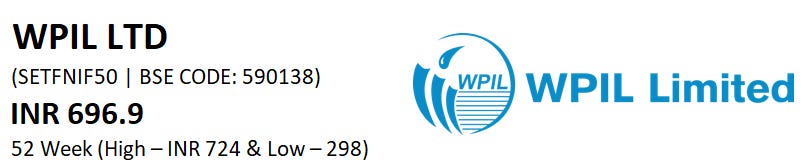
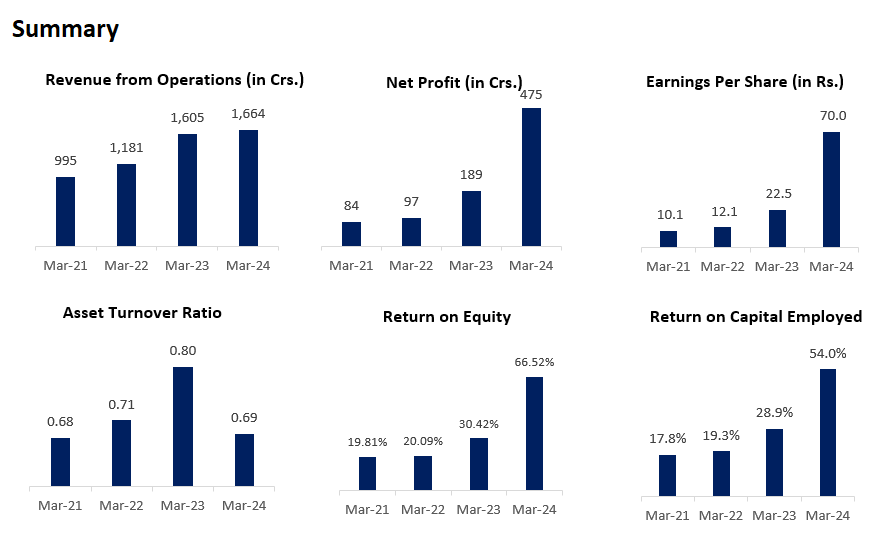
1. Company Share Price chart & comparison with Index:
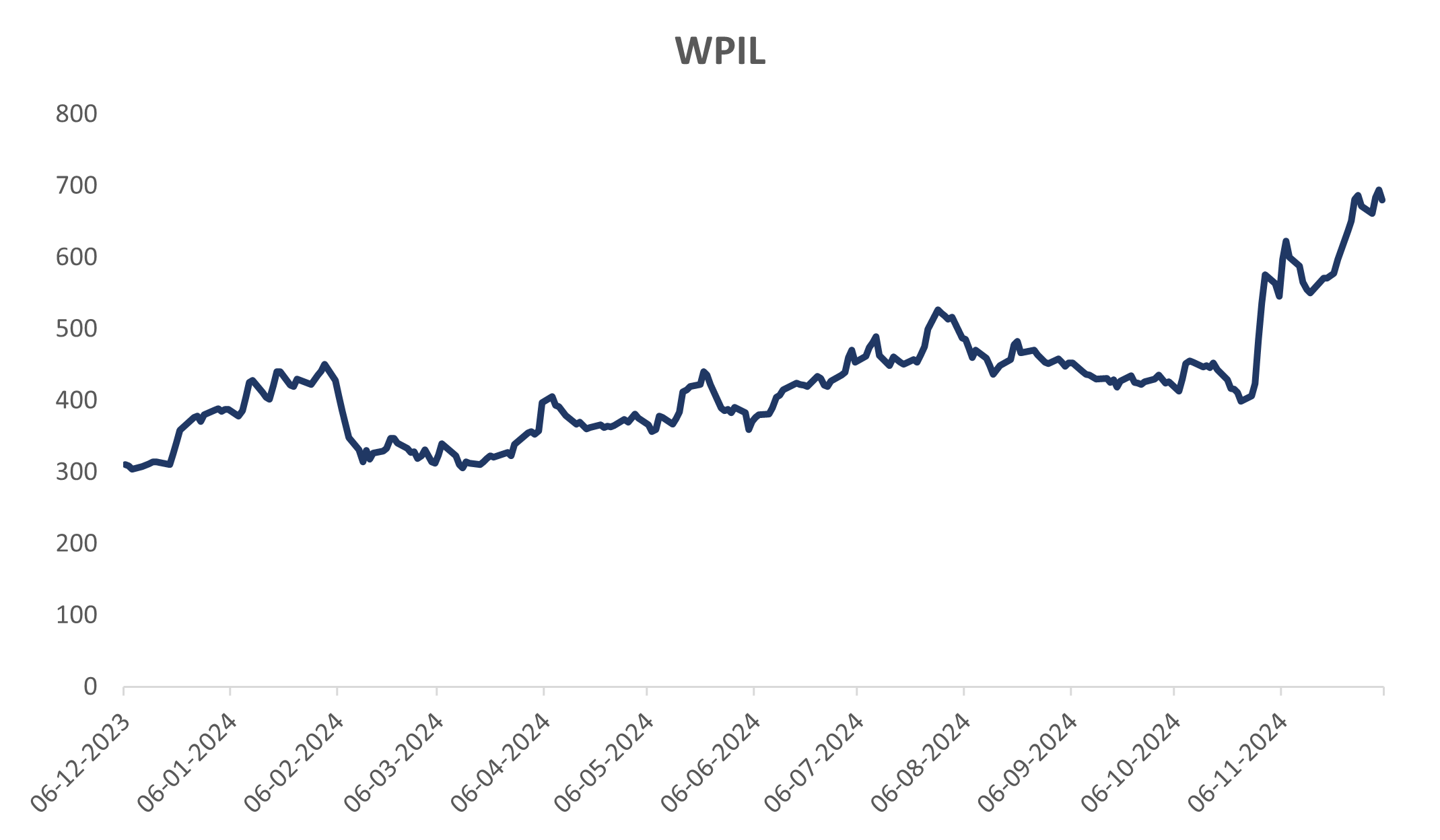
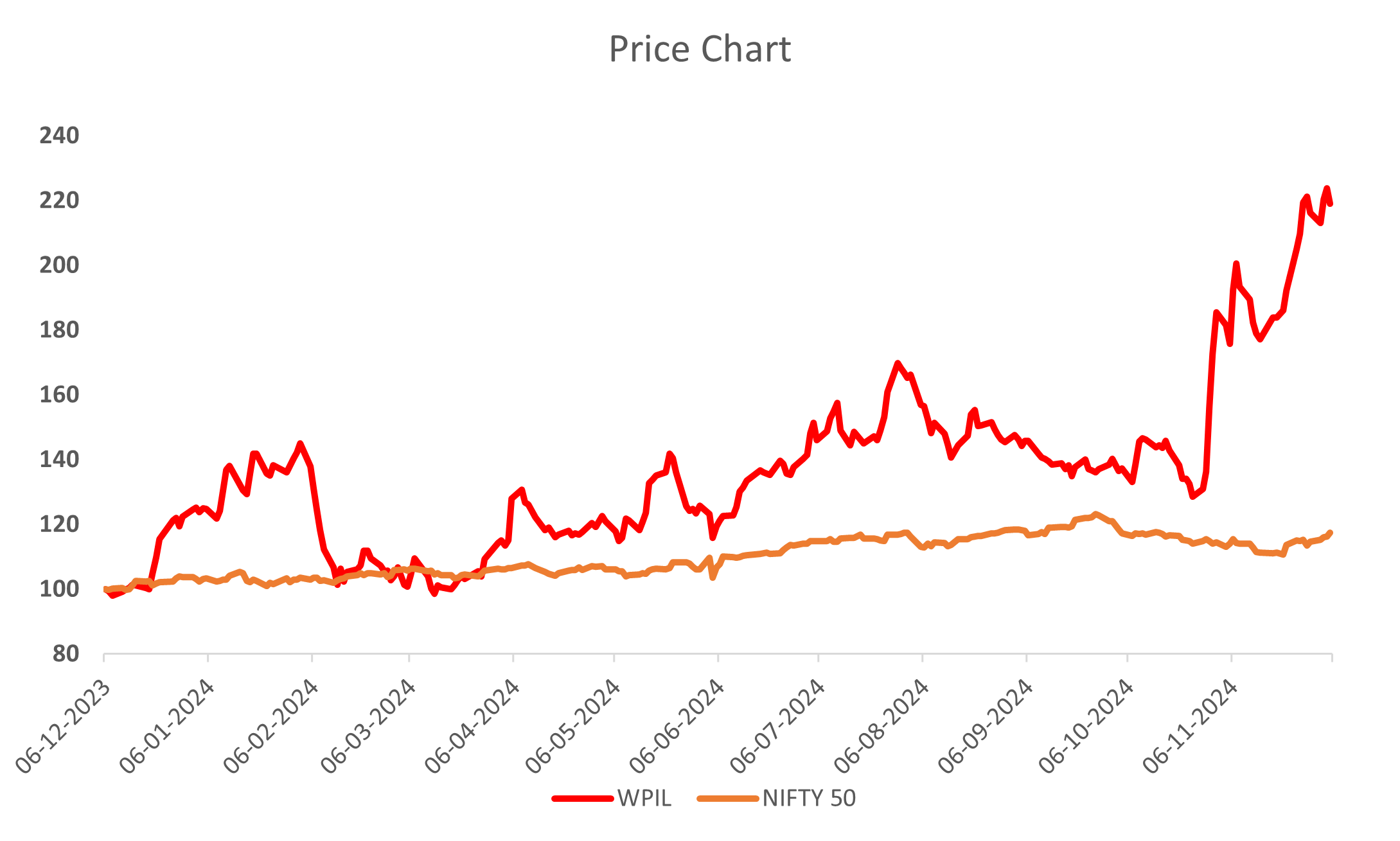
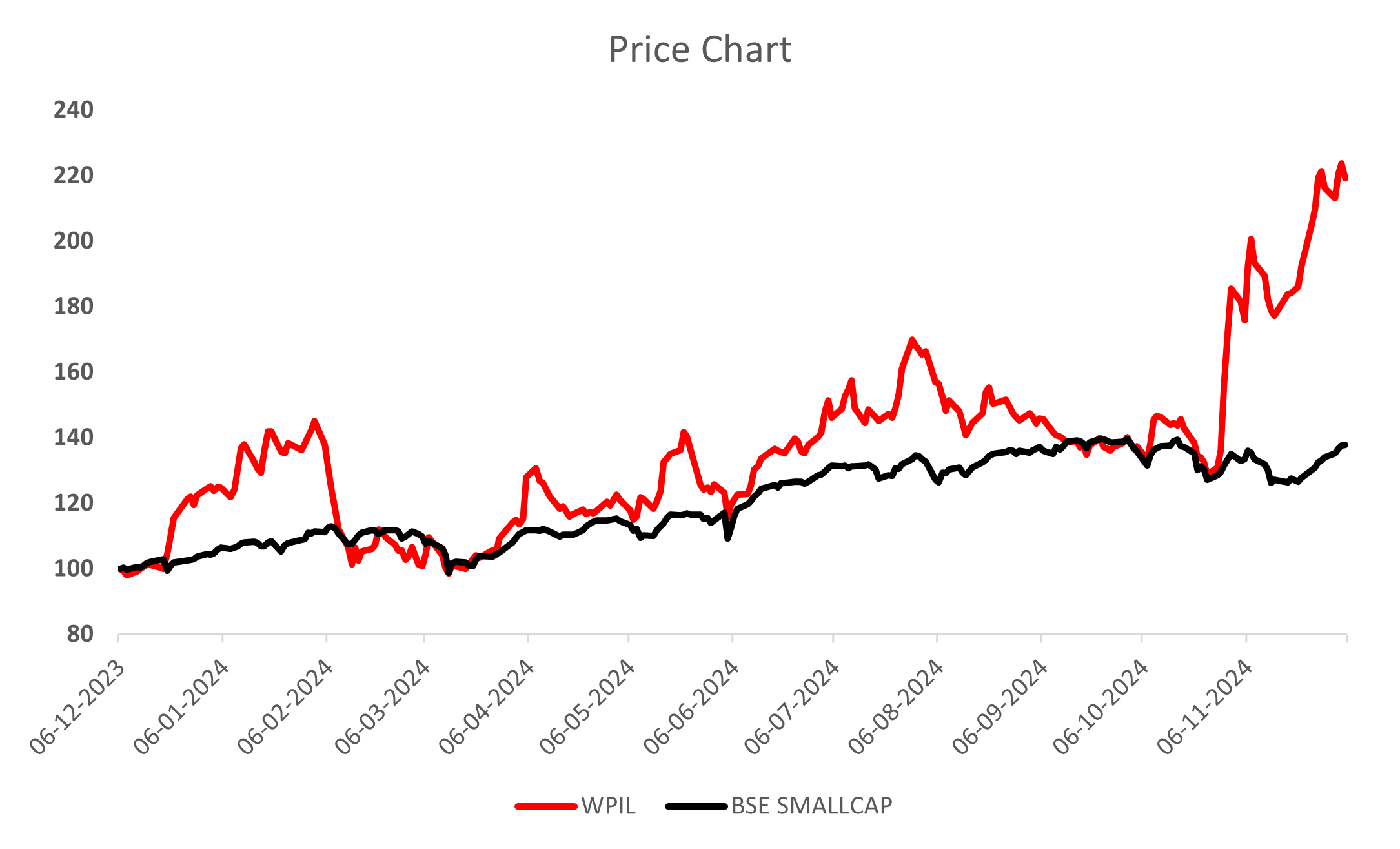
All above charts are *Indexed on 06 December 2023 (=100)
2. About Company:
WPIL Limited is an Indian company specializing in designing, manufacturing, and servicing pumps and pumping systems for industrial, municipal, and irrigation applications.
Basic Key Points:
Registered Name: WPIL Limited.
Establishment: 1952.
Products: pumps, pumping systems, valves, and related equipment.
Industry: Pumps & Water management Industry .
Listed on: Bombay Stock Exchange.
Website: https://www.wpil.co.in/
WPIL's Business Structure
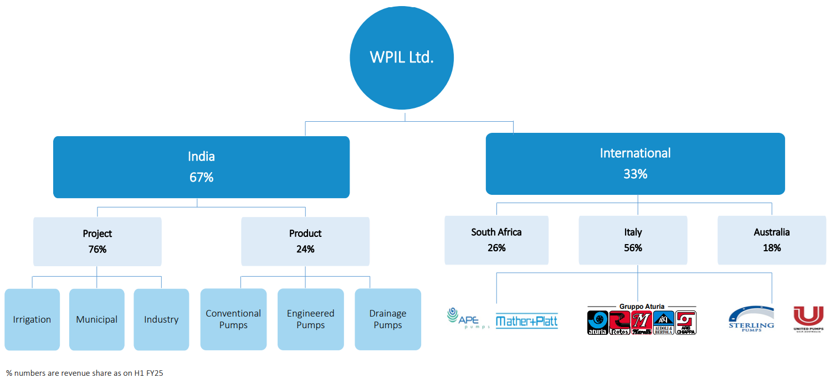
Geographical Segmentation:
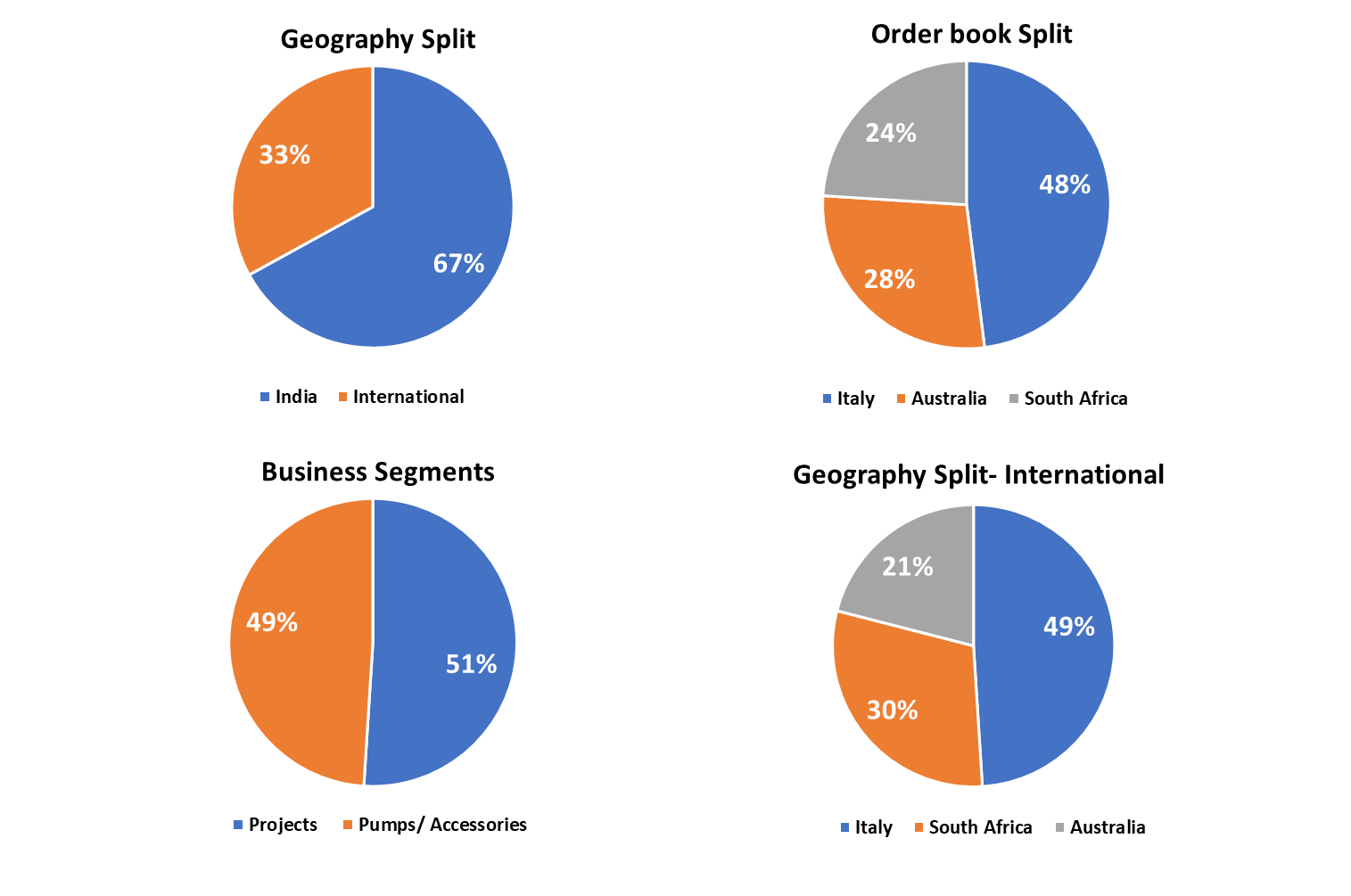
India: The domestic market remains a significant contributor to WPIL's revenue, accounting for 67% of the total revenue share.
International: The company has a strong international presence, with 33% of its revenue coming from overseas markets.
Business Segments:
Project: This segment accounts for a significant portion of the revenue, driven by turnkey water supply projects.
Product: The product segment comprises a wide range of pumps and accessories, catering to various applications.
International Operations:
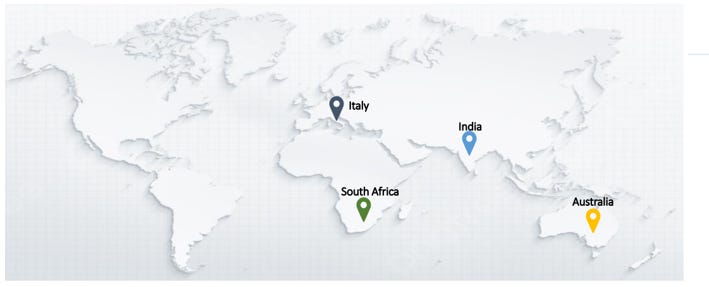
South Africa: WPIL has a strong presence in South Africa, with brands like APE Pumps and Mather & Platt.
Italy: The company operates in Italy through Gruppo Aturia, a leading player in the European pump market.
Australia: WPIL has a presence in Australia through brands like Sterling Pumps and United Pumps.
Manufacturing facilities
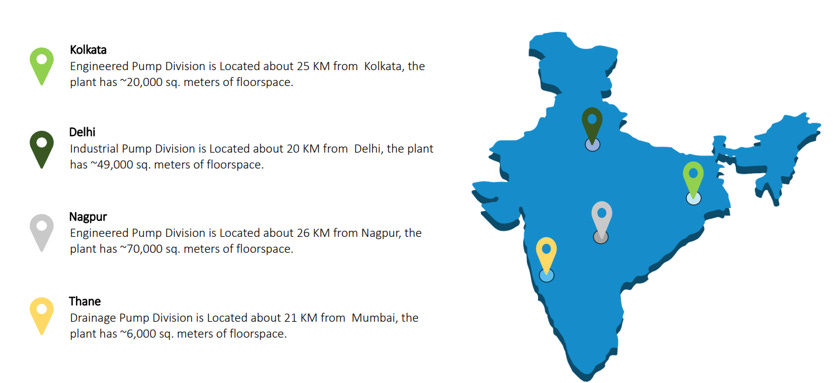
Global Presence
3. Management Overview:

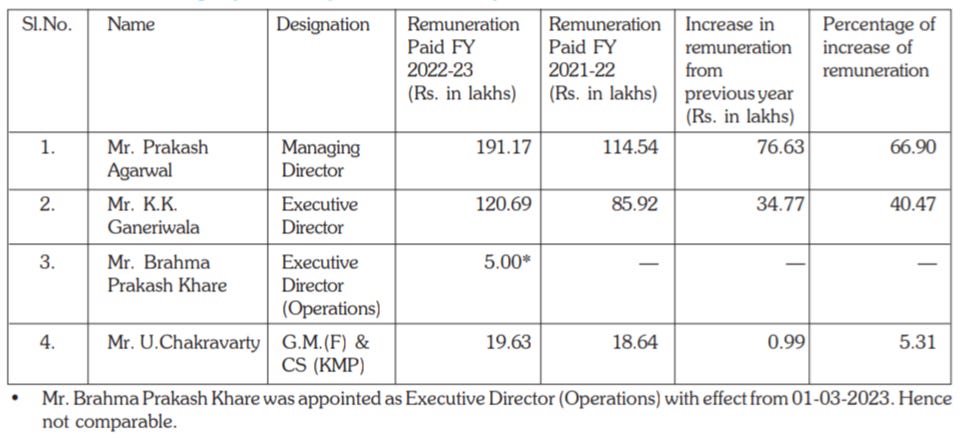
KMP's Remuneration:
~A POINT TO NOTICE~
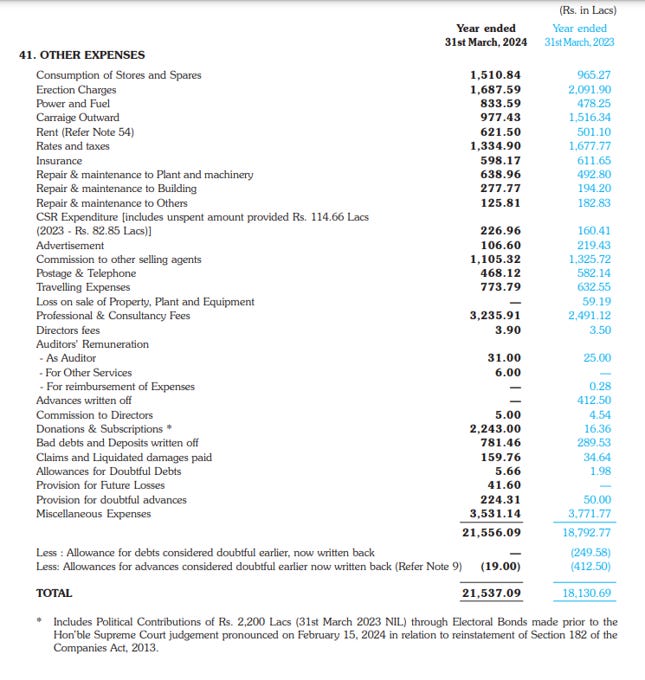
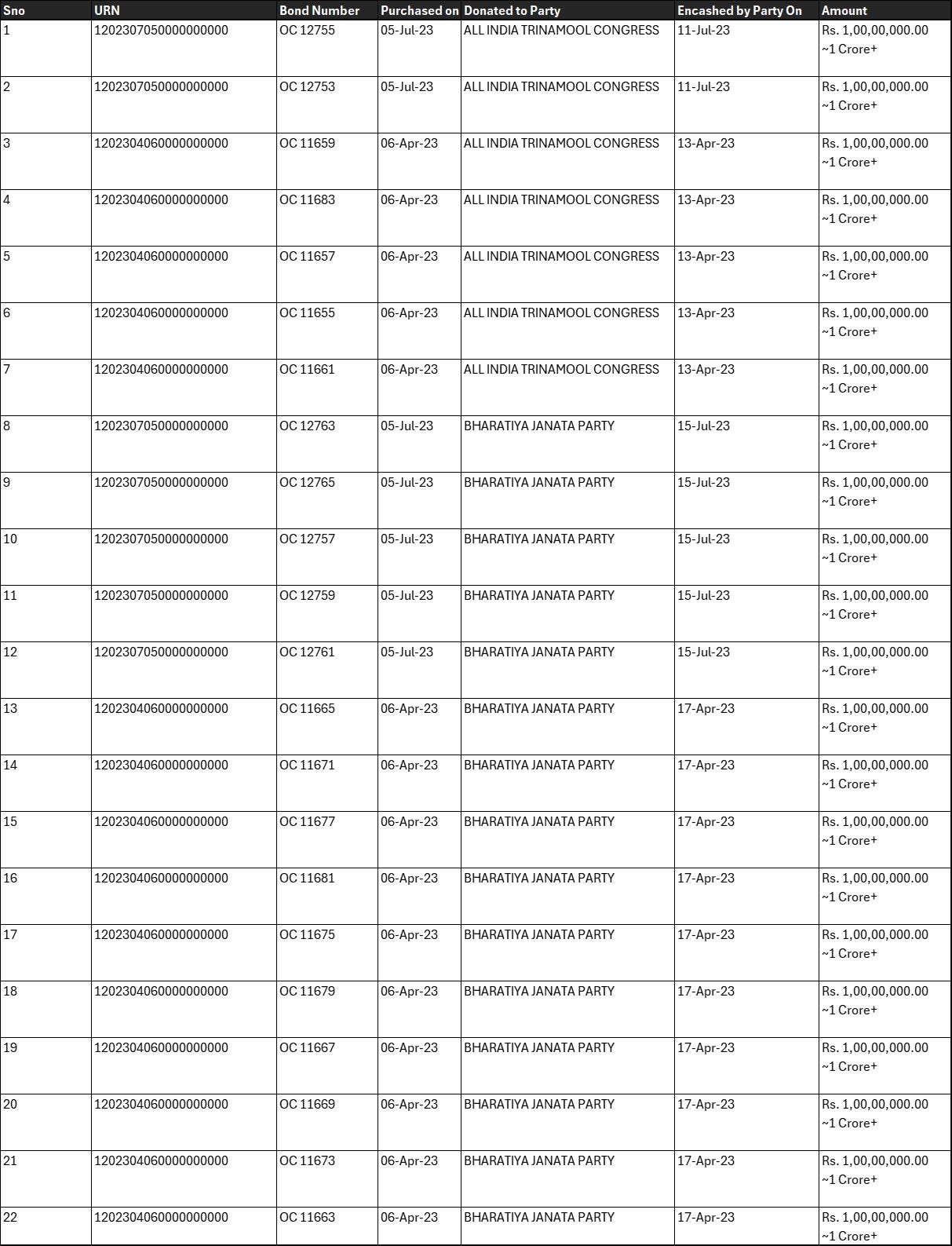
The company made political contributions of Rs. 2,200 lakhs (Rs. 22 crores) on 31st March 2023 through Electoral Bonds. This was done before the Supreme Court reinstated Section 182 of the Companies Act, 2013 on February 15, 2024.
4. ESOPs:
There is no explicit mention of WPIL Ltd. offering an Employee Stock Ownership Plan (ESOP) in its publicly available filings or annual disclosures.
If you like the hard work we put in, you can invest in us:
For our Non-Indian audience: You can donate to us through PayPal. Click here.
For our Indian audience, UPI QRs are given below:

5. Key Products/ Services:
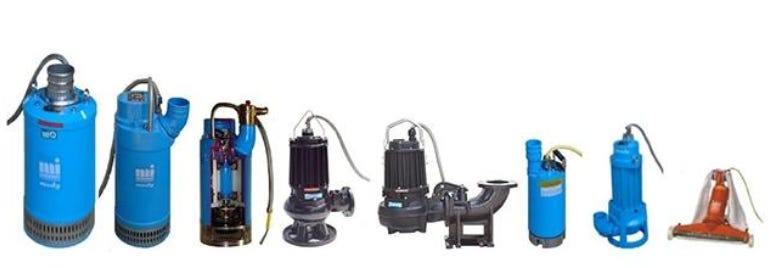
Products
Pumps:
Horizontal and Vertical Pumps: Centrifugal, multistage, and end suction pumps for various industrial applications.
Submersible Pumps: Including borehole, sewage, drainage, and dewatering pumps.
Engineered Pumps: Customized solutions for critical applications such as irrigation and water supply projects.
Specialized Pumps:
Non-clog, solid-handling, and vertical volute pumps used in power plants, water management, and industrial setups.
Services
Turnkey Projects:
End-to-end solutions for water supply, irrigation, and sewage systems, including design, commissioning, and maintenance.
Aftermarket Services:
Maintenance, repair, and spare parts for critical infrastructure, especially in the oil & gas, and water sectors.
Water Infrastructure Solutions:
Tailored projects addressing water supply challenges, including river-linking and municipal water management initiatives.
6. Revenue Breakdown:
7. Company’s Financial Analysis:
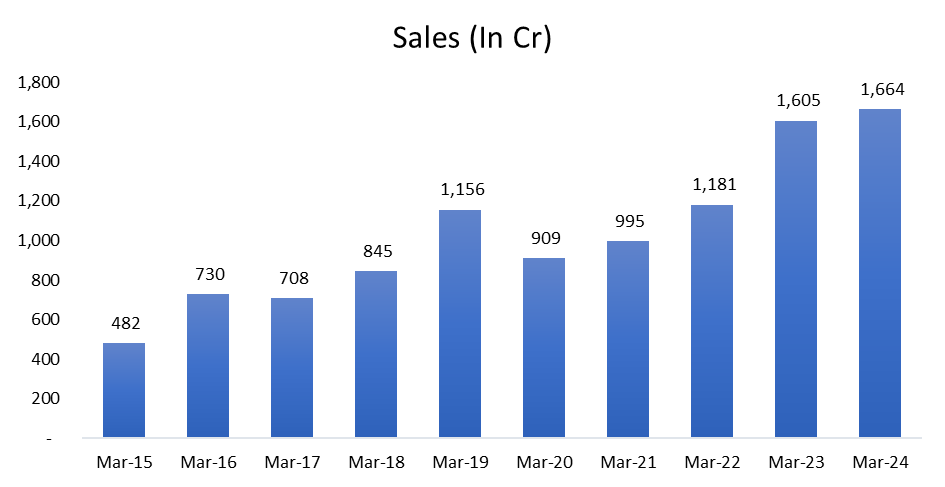
SALES
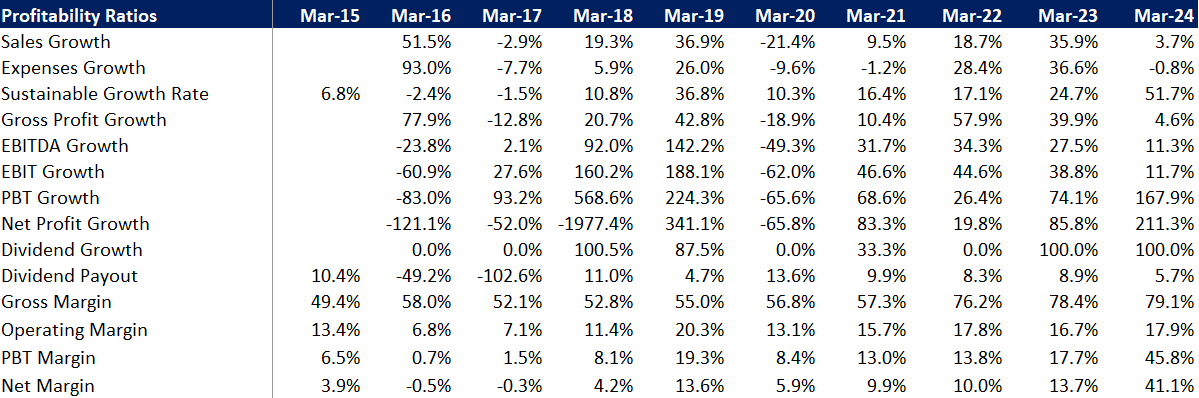
The Sales have grown at a CAGR of ~13% in the past 10 years.
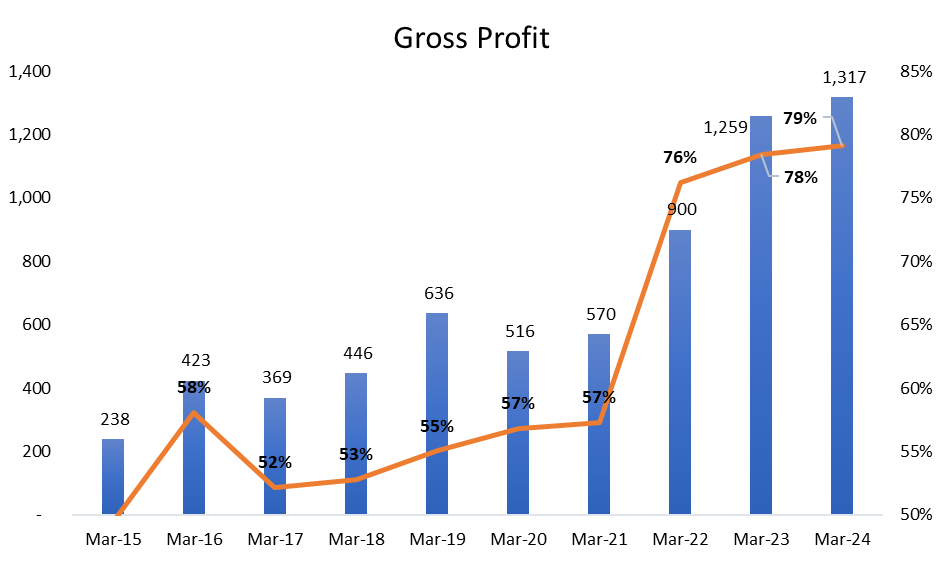
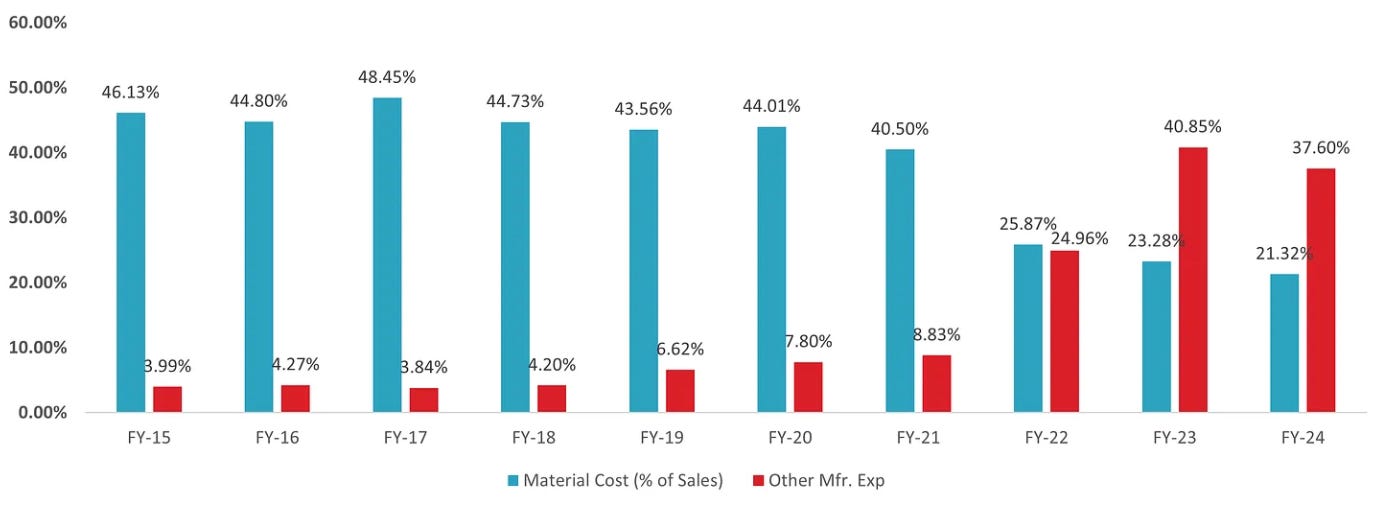
Gross Profit Margin %
Gross profits have been increasing continuously at a CAGR of ~20% for the past 10 years.
The Gross margin spike from Mar 22 onwards is due to the re-classification of some part of the “Cost of material consumed” to “Contract material and civil costs” which is shown under “other operating expenses”.So, the actual margins are not reflected here.
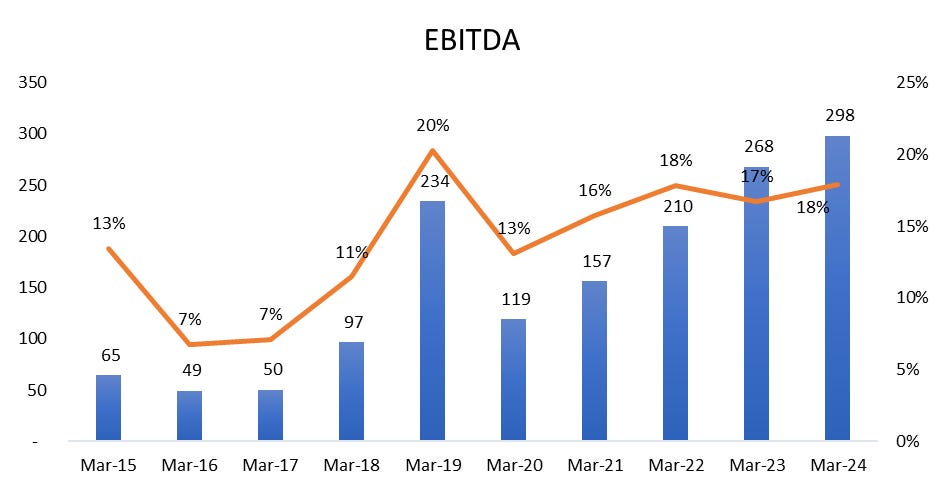
EBITDA Margin %
EBITDA has been increasing continuously at a CAGR of ~29% for the past 10 years.
EBITDA Margins have improved on account of lower employee costs and Sell & Admin costs.
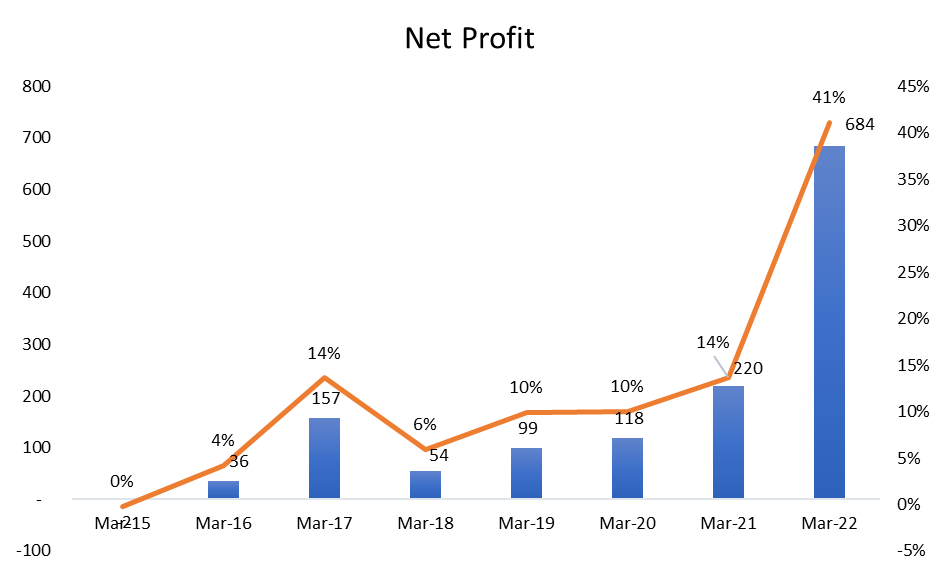
Net Profit Margin %
Net profits have continuously increased at a CAGR of ~67% for the past 10 years. The sudden spike in FY2024 is due to Other income of Rs. 524 crores. Removing other income, the net profit will fall to Rs. 160 crores less than Rs. 220 cr in FY23 (Including Other income Rs. 68cr).
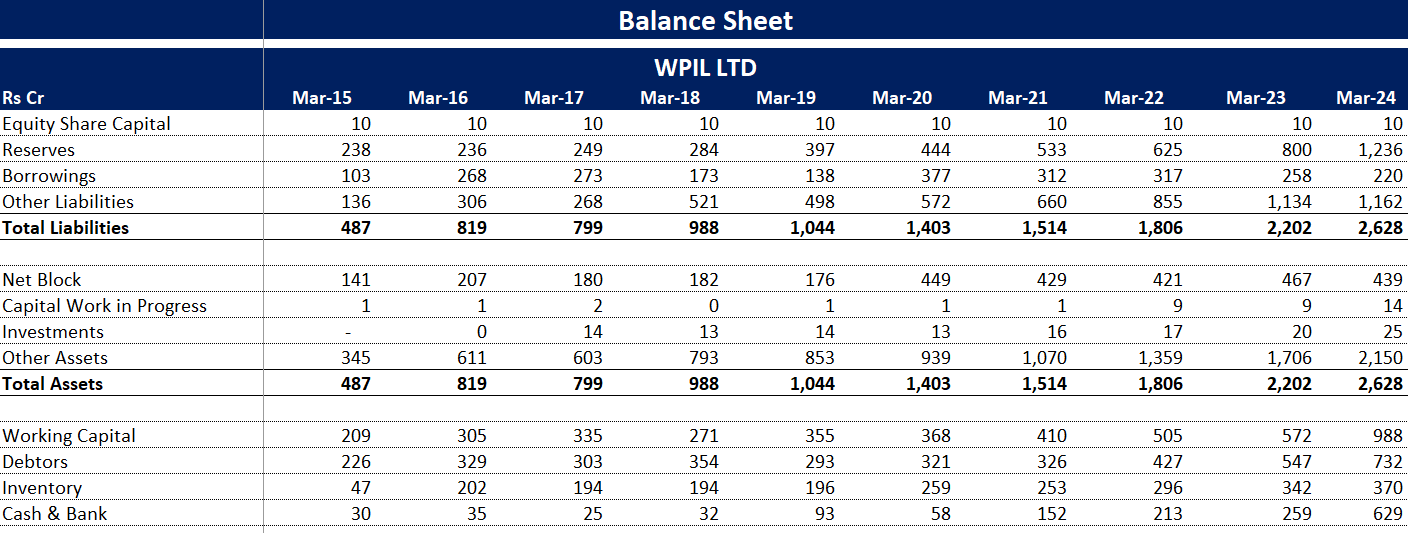
BALANCE SHEET:
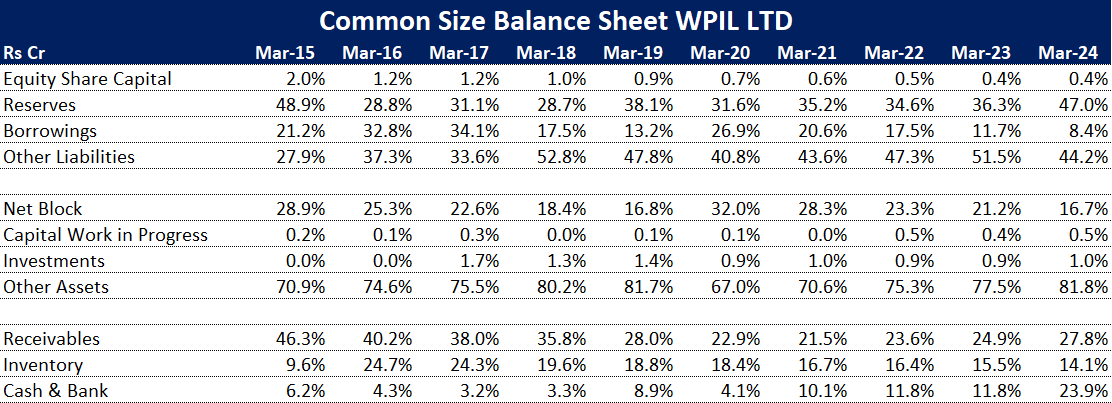
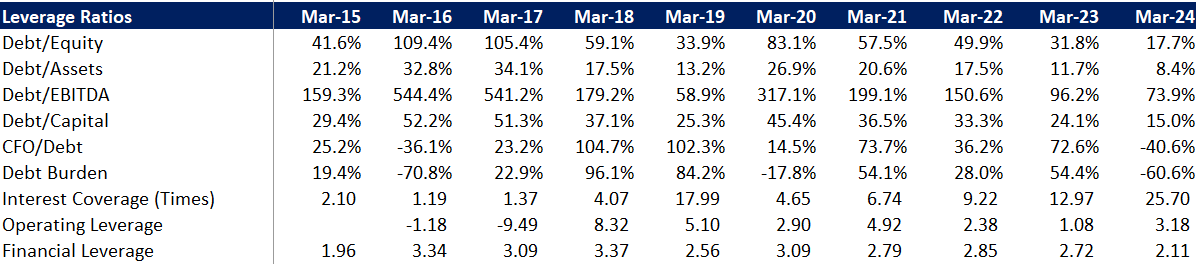
Borrowings have come down from FY20 levels.
Other liabilities include a sudden spike in minority interest and Trade payables.
Cash has increased on account of increased reserves from IPO proceeds.
Cash Receivables (% of Total Assets) have remained stable.
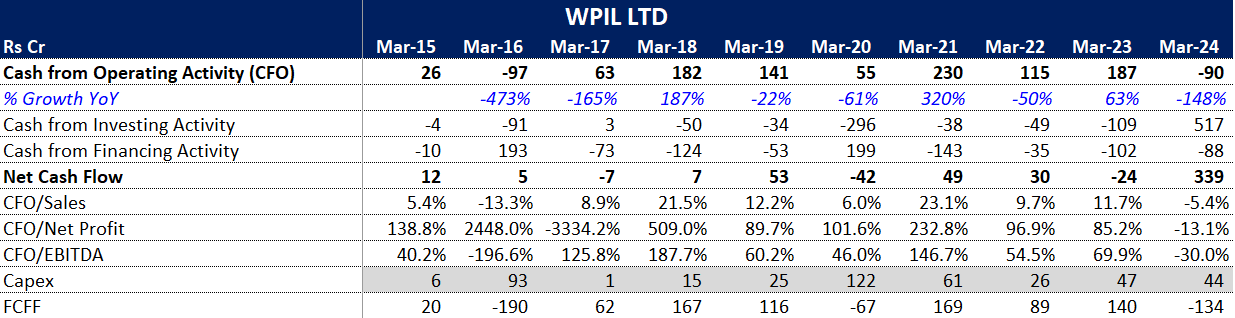
Cashflow Statement:
KEY RATIOS:

Working Capital:
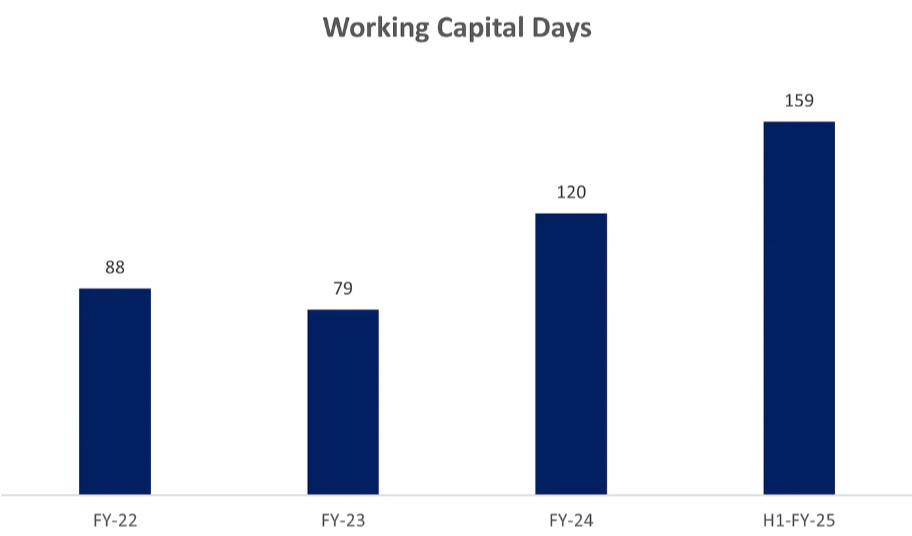
Working capital management has shown increasing challenges in recent years. Working capital days rose from 79 days in FY23 to 120 days in FY24, and further to 159 days in H1 FY25, indicating a higher requirement for funding to sustain operations.
Cash Conversion Cycle:
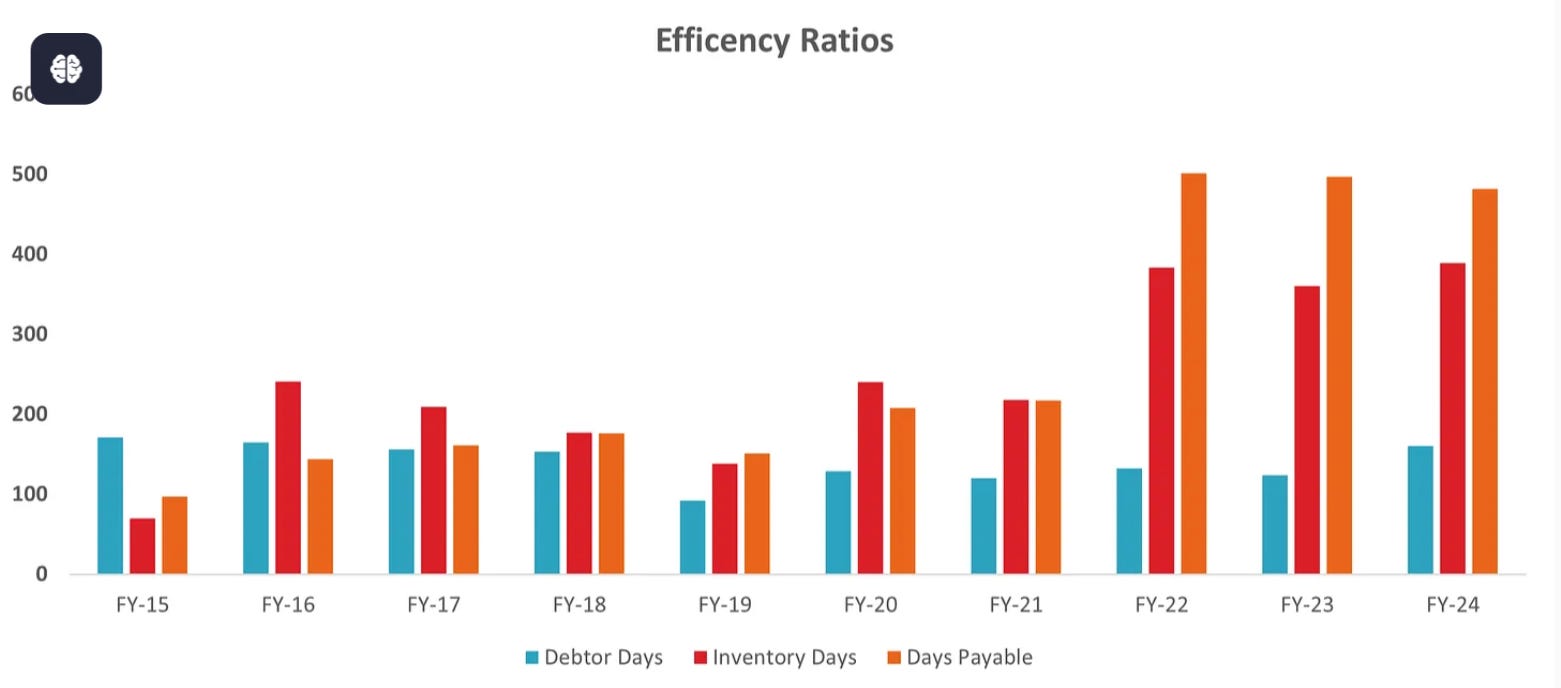
Cash Conversion Cycle (CCC) remained low or even negative in FY22 and FY23 (14 days and -12 days, respectively) but increased to 67 days in FY24 due to a slowdown in cash recovery from operations and project delays.
Inventory days also rose significantly from 360 days in FY23 to 389 days in FY24, while days payable decreased marginally from 497 days in FY23 to 482 days in FY24, impacting the overall CCC.

ROE and ROCE
WPIL has shown strong return ratios, indicating its ability to generate value for shareholders and optimize capital usage:
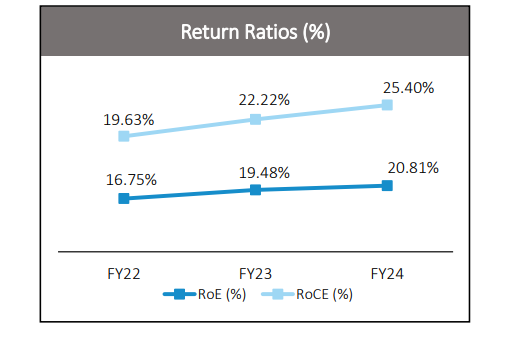
ROE improved from 16.75% in FY22 to 20.81% in FY24, reflecting profitability growth.
ROCE also increased significantly, from 19.63% in FY22 to 25.40% in FY24, driven by efficient asset utilization and a focus on high-margin projects.
8. Shareholding Pattern:
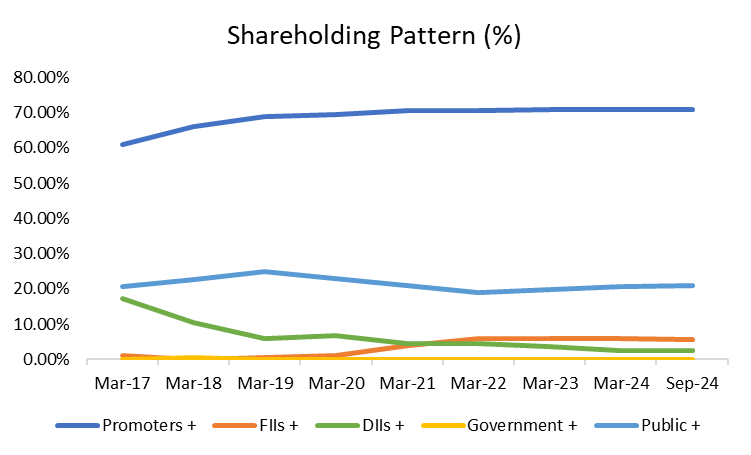
FIIs have increased their holdings.
DIIs have decreased their holdings.

9. MD&A:
Indian Economy:
GDP:
Global GDP is projected to grow at 3.2% in 2024 and 3.3% in 2025. The trades have become firm supported by the strong exports from Asia, especially the technology sector. The businesses are majorly on ‘cost-cutting’ projects as the discretionary spendings are still low. Governments are facing fiscal challenges due to higher interest rates, spending on citizen schemes and climate change.
(Source: IMF, World Bank)
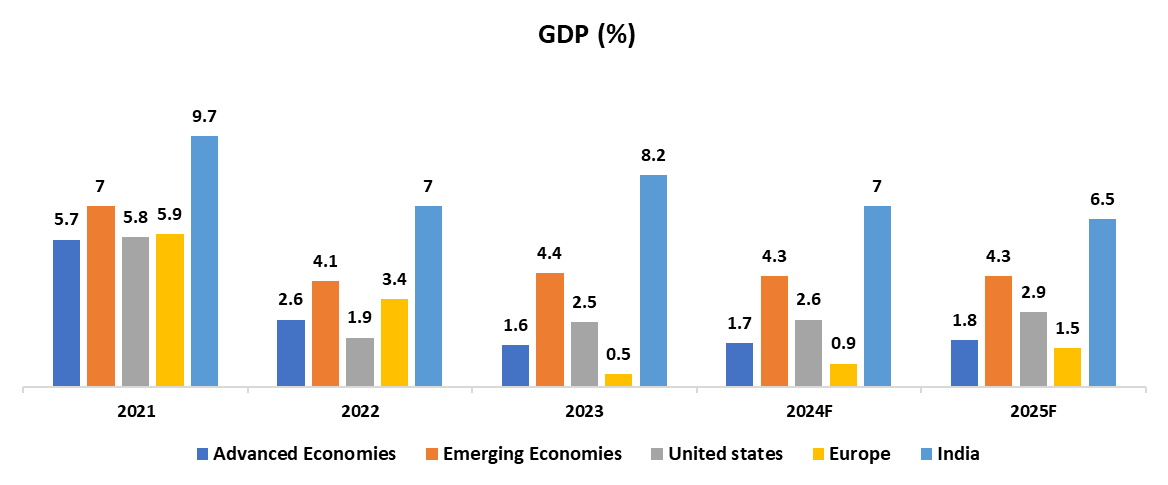
Source- IMF & World Bank
Inflation:
The economy has stayed remarkably resilient and thus, the inflation is coming back to the target level. Even during the high-inflationary environment, the consumption was still on rise especially in the emerging economies. The economy, despite facing deflation and recession warnings, has been growing steadily. Forecasts suggest for inflation to come down from 6.8% in 2023 to 5.9% in 2024 and 4.5% in 2025 globally.
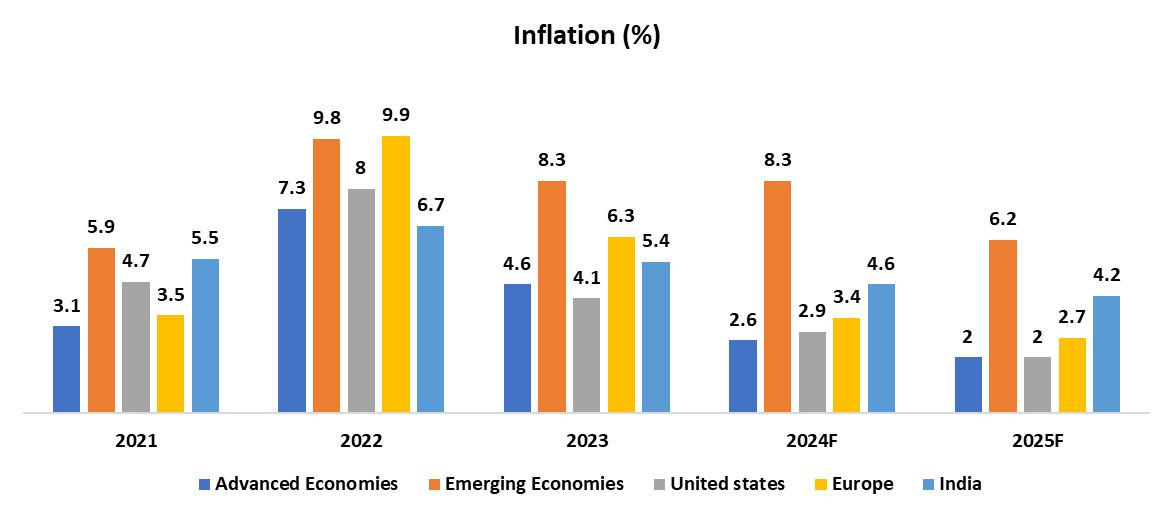
(Source: IMF, World Bank)
Business Environment:
The business environment in 2023-24 was highly favourable, supported by improvements in the economic landscape and increased public investments in India, which bolstered the capital goods sector's performance. Stabilized inflation and commodity prices, particularly steel, were aided by rising interest rates.
A significant highlight for WPIL was the government's focus on public investments, especially in the water sector, driven by the accelerating Jal Jeevan Mission. Furthermore, the implementation of AMRUT 2 is anticipated to bring a renewed emphasis on urban water supply infrastructure.
The global economy faced significant challenges in 2023-24, with the Ukraine war continuing into its second year and a new crisis in the Middle East disrupting global trade, particularly through the Suez Canal, leading to extended lead times. The rising interest rate environment, aimed at controlling inflation, dampened demand as nations revisited budgets and curtailed spending. Additionally, Europe witnessed substantial political shifts across major economies, potentially driving policy changes and a stronger focus on localization, further impacting global trade. These factors have contributed to a cautious global outlook.
WPIL Ltd. maintained stable performance across all business segments during this period. The company strengthened its position by consolidating operations and divesting its nuclear business. Key highlights included robust domestic prospects driven by a focus on water infrastructure projects and the positive impact of stable crude prices, which spurred greenfield and brownfield investments in the oil and gas sector.
10. Q2 FY25 Concall Analysis
Financial Highlights:
Q2 FY25:
Revenue: ₹491 crore (+54% YoY)
EBITDA: ₹104 crore (+57% YoY), margin: 21.27%
PAT: ₹70 crore (+64% YoY), margin: 15.3%
H1 FY25:
Revenue: ₹853 crore (+33% YoY)
EBITDA: ₹165 crore (+31% YoY), margin: 19.28%
PAT: ₹113 crore (+36% YoY), margin: 13.28%
Standalone Q2 FY25: Revenue grew 78% YoY to ₹330 crore; EBITDA increased 104% YoY to ₹63 crore.
Order Book:
Total international orders: ₹534 crore.
Domestic order book:
Project business: ₹2730 crore
Product business: ₹401 crore
Operational Insights:
Domestic growth is driven by both project and product segments.
International operations are stable, with strong contributions from Italy, South Africa, and Australia.
South Africa: Recent acquisition strengthens position in water infrastructure projects.
Australia: Record order books in Sterling and United Pumps.
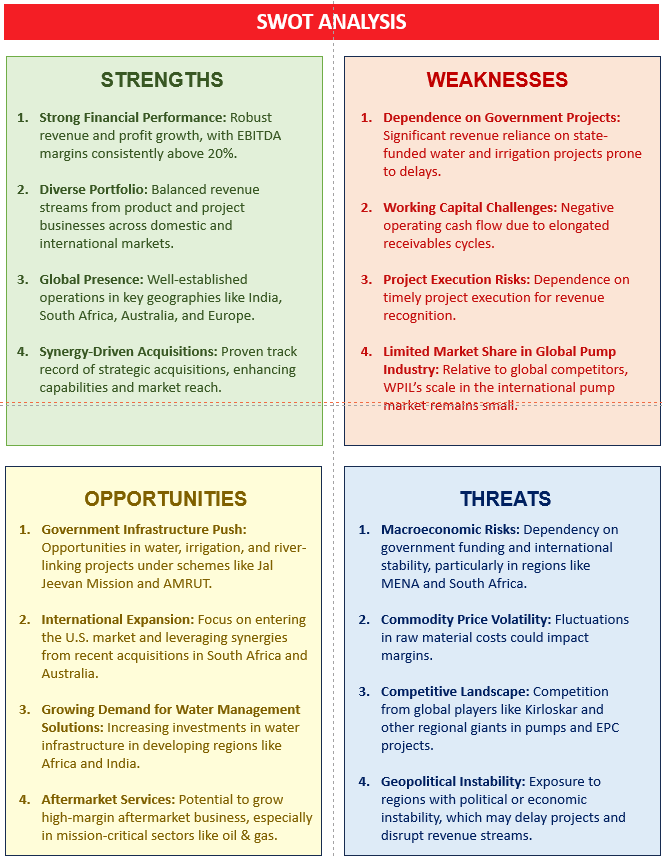
11. SWOT ANALYSIS
12. Competitors in the Market:
Kirloskar Brothers Limited (KBL)
A leading manufacturer with a strong portfolio in industrial, agricultural, and domestic pumps. Known for energy-efficient solutions.
Crompton Greaves Consumer Electricals
Offers a wide range of domestic and agricultural pumps, focusing on durability and performance.
Shakti Pumps India Ltd.
Renowned for solar-powered and energy-efficient pumps, catering to both domestic and export markets.
Texmo Industries
Popular for its Taro brand, providing high-quality submersible and centrifugal pumps.
CRI Pumps
A leader in innovative and energy-efficient pumps, serving agricultural, industrial, and residential sectors.
KSB Pumps
German-based manufacturer with a strong presence in India, offering premium industrial and municipal pumps.
Grundfos India
Known for advanced, eco-friendly, and smart pumping systems for urban and industrial applications.
13. Growth and Opportunity
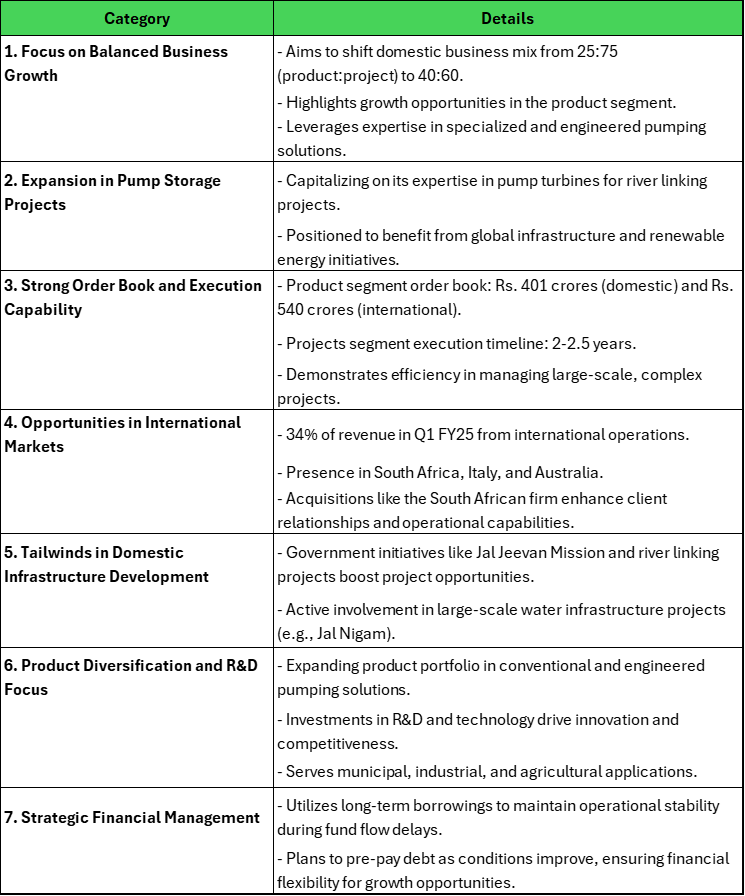
14. Growth Drivers for the Company
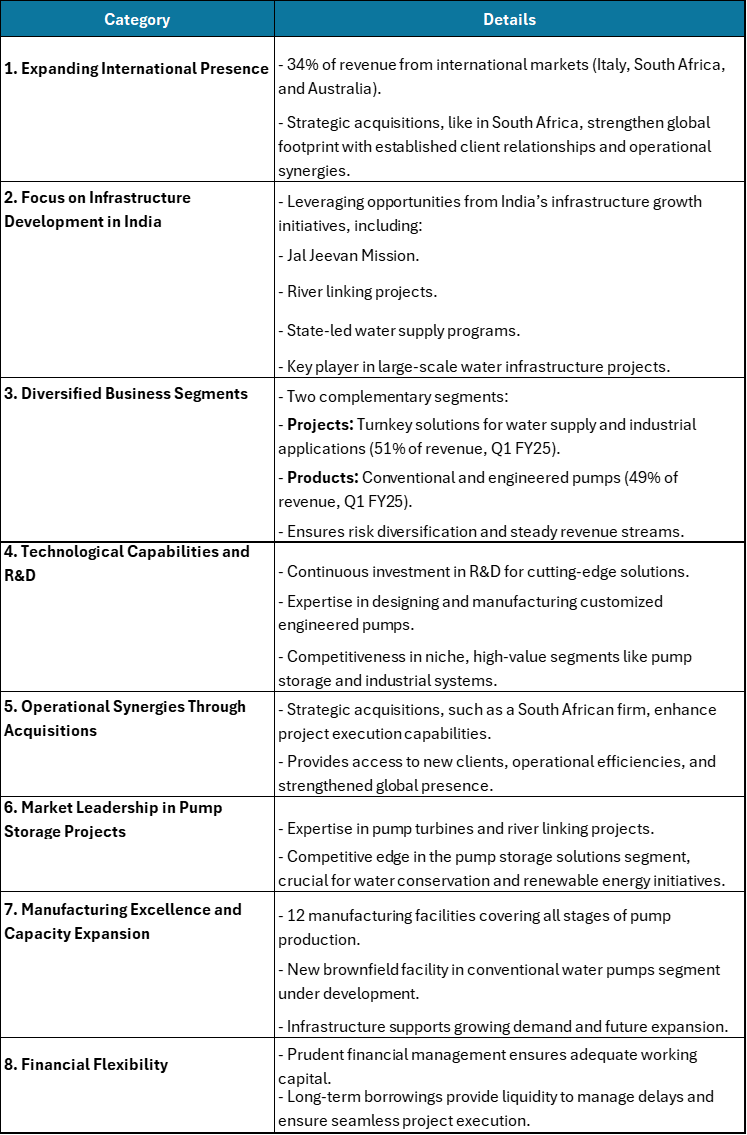
15. Management Guidance
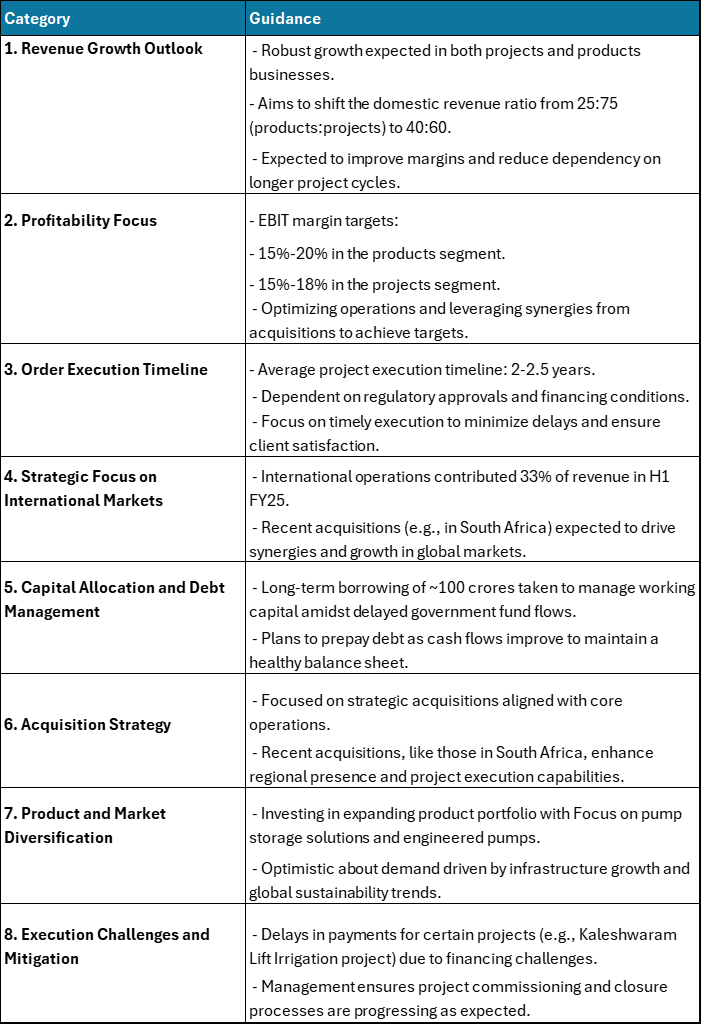
16. Industry Overview:
Water Pumps – Overview
Water pumps are devices, either mechanical or electromechanical, used to move water through pipes or hoses by creating a pressure difference. They can be powered by electricity, gasoline engines, or solar panels, especially in remote areas like deserts. Currently, water pumps are widely used across India in various sectors, including municipal, industrial, agricultural, and residential, for water distribution.
Market size and forecast:
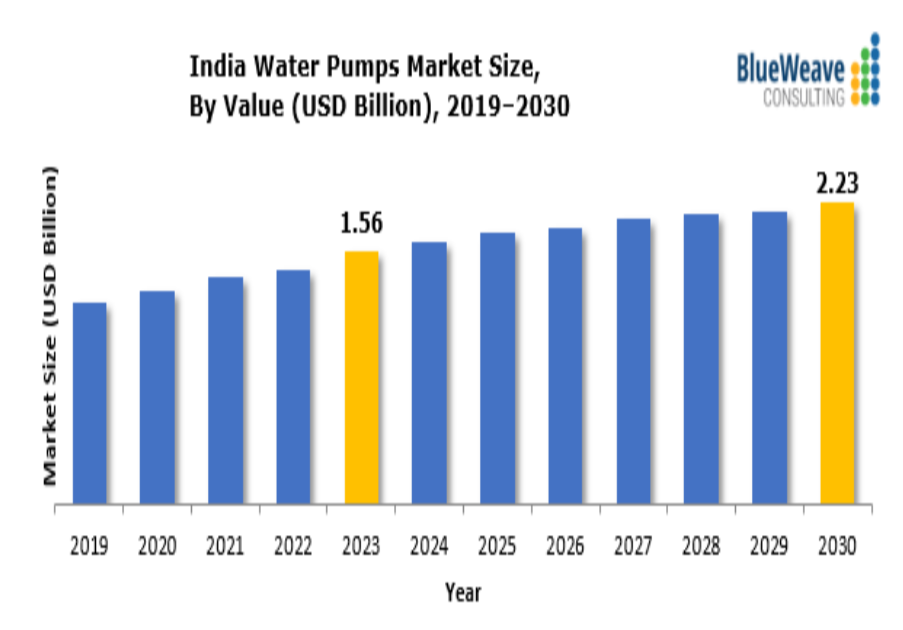
The India Water Pumps Market size was estimated at USD 1.56 billion in 2023. During the forecast period between 2024 and 2030, the India Water Pumps Market size is projected to grow at a CAGR of 4.99% reaching a value of USD 2.23 billion by 2030.
(Source – Blueweave consulting)
17. Key Market Drivers:
Urbanization and Infrastructure Development Rapid urbanization is increasing demand for water supply infrastructure in urban and semi-urban areas.
Infrastructure projects like Smart Cities and government programs for housing boost the need for water pumps.
Agricultural Dependence
India’s large agricultural sector requires efficient irrigation systems, driving demand for water pumps, especially submersible and centrifugal pumps.
Government initiatives such as PM-KUSUM (solar pumps) and subsidies for irrigation pumps fuel this demand.
Industrial Growth
Expansion of industries like oil & gas, chemicals, pharmaceuticals, and manufacturing leads to increased demand for industrial water pumps.
Power generation plants also need specialized pumps for cooling and other processes.
Government Policies and Investment
Programs like “Jal Jeevan Mission” aim to ensure piped water supply to every household, boosting pump demand for water distribution.
Investments in wastewater treatment and sewage management projects create additional demand.
Technological Advancements
The adoption of energy-efficient and IoT-enabled smart pumps is driving modernization in the sector.
Solar-powered pumps are gaining popularity, especially in rural and remote areas.
Rising Water Scarcity and Conservation Needs Increasing awareness of water conservation has led to a focus on efficient pumping systems.
Rainwater harvesting and groundwater management efforts drive demand for pumps.
Export Opportunities
India’s water pumps industry is increasingly catering to global markets due to competitive pricing and quality.
Growing construction and agricultural activity in developing countries create export opportunities.
18. Challenges in the Indian Water Pumps Market:
High Initial Costs
Advanced pump systems are expensive to purchase and install, making them less accessible for small-scale users.
High maintenance costs also limit adoption despite long-term benefits.
Geopolitical Tensions
Disrupted supply chains and rising raw material costs affect production and pricing.
Trade restrictions and reduced foreign investments hinder innovation and market stability.
19. Opportunities in the Indian Water Pumps Industry:
Rural Electrification and Solar Pumps
Government initiatives like PM-KUSUM promote solar-powered pumps, opening avenues in rural markets.
Infrastructure Development
Projects under “Jal Jeevan Mission,” Smart Cities, and industrial corridors boost demand for water management systems.
Irrigation Modernization
Growing adoption of micro-irrigation systems presents opportunities for efficient pump solutions in agriculture.
Wastewater Treatment
Increasing focus on sewage management and water recycling creates demand for specialized pumps.
Export Growth
Rising global demand for cost-effective and quality pumps positions India as a key exporter.
20. Future outlook:
The Indian water pump industry has a promising future, driven by rising demand for energy-efficient and smart pumps, government-led infrastructure projects like Jal Jeevan Mission, and increasing adoption of solar-powered systems in rural areas. Expanding industrial sectors, wastewater treatment needs, and export opportunities further bolster growth. With advancements in technology and a focus on water conservation, the industry is poised for steady expansion, supported by modernization efforts and a growing replacement market.
Thank you for reading till the end! We hope you enjoyed this report.
Researched By- Naresh, Mayank and Vaibhav
All information is sourced from company annual reports, Screener.in, industry reports and Economy Outlook reports.
Disclaimer- We do not recommend buying or selling any stock. You should consult your financial advisor before buying or selling any financial instrument.
🫡