

The Forbidden City Pivot: Managed Trade and the "G-2" Reset
From a historic Beijing summit to the launch of the "Board of Trade"—analyzing the week the U.S. and China attempted to trade a "Great Decoupling" for a "Great Stabilization.

The global spotlight has shifted from the Persian Gulf to Beijing this week as President Trump prepares for a historic “Forbidden City Summit” with Xi Jinping starting this Wednesday, May 13. This marks the first visit by a U.S. President to China in nearly a decade, and the stakes could not be higher for the global economy. After months of focus on the Iran war, Washington is making a major pivot, hoping that a face-to-face meeting between the two leaders can fix the broken supply chains that have been hammered by both the Middle East conflict and years of trade tension.
This isn’t just a friendly diplomatic visit; it’s a high-stakes “Risk-Management Summit.” The main goal is to find a way for the world’s two largest economies to coexist without constant trade wars. We’re looking at a possible deal where China guarantees access to critical minerals essential for everything from EVs to smartphones in exchange for the U.S. easing some of its most aggressive tech and investment restrictions. For investors, this summit is the “Pivot of 2026,” as it could decide whether we move toward a stable global market or a permanent split between the East and the West.
1. What Happened: The “Forbidden City” Summit
The diplomatic world is on high alert as President Trump arrives in Beijing for a two-day summit with Xi Jinping, officially scheduled for May 14–15. This visit, which had been delayed due to the ongoing Iran war, is being framed as a “Risk-Management Summit” rather than a standard friendly visit. The White House confirmed that the two leaders will meet in the historic Forbidden City a rare gesture of high-level hospitality from Beijing to discuss a massive reset of the U.S.-China relationship. This comes at a time when China is feeling strategically confident as the U.S. remains preoccupied with the Middle East blockade.
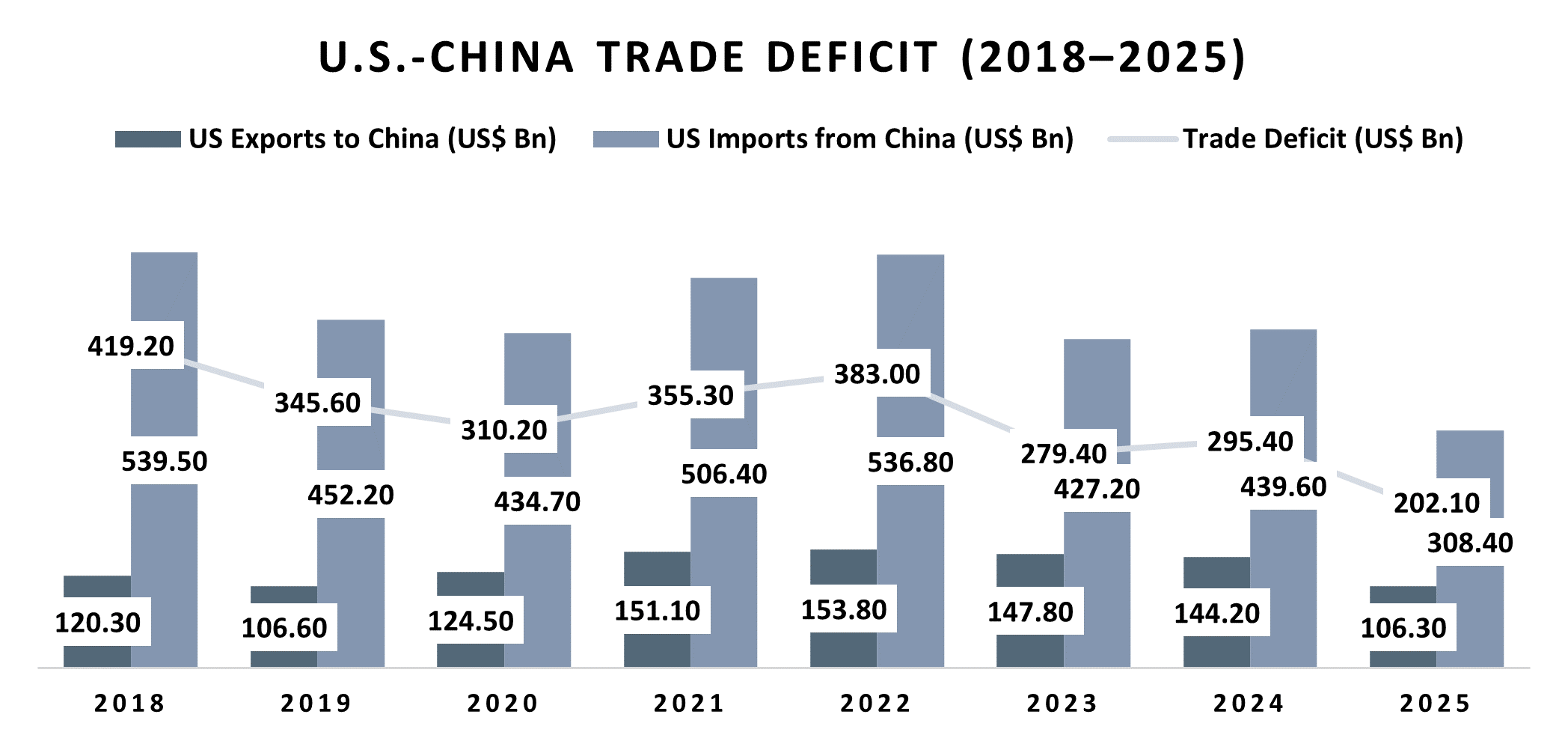
The core of the agenda is a shift toward a “Managed Trade” model. According to recent reports from the U.S. Trade Representative, the administration wants to replace unpredictable tariff wars with a more structured system of “reciprocity and balance.” A major focus will be the proposed “Board of Trade” framework, which would see political leaders from both countries meet regularly to negotiate specific purchase agreements and supply chain guarantees. Trump is expected to push for China to buy massive amounts of U.S. goods to further reduce the trade deficit, which reportedly fell by 32% last year.
However, the shadow of the Iran conflict looms large over the meeting. President Trump has signaled that he wants China to use its influence as a major oil buyer to help stabilize the Strait of Hormuz and convince Tehran to accept a peace deal. In return, Beijing is looking for “strategic space,” specifically wanting the U.S. to ease up on technology export controls and investment restrictions. While no one expects a “Grand Bargain” that solves every issue, the very fact that these two magnets are being pulled together despite the war suggests that both sides are desperate for a predictable economic floor.
2. Why It Matters Globally: The “G-2” Power Shift
This summit signals a major shift toward what experts are calling a “Trump-style G-2”a world where the U.S. and China stop trying to change each other and instead focus on a “division of spheres of influence.” By meeting in the Forbidden City, both leaders are acknowledging that neither side can fully “win” the trade or tech war. For the global economy, this means the end of the messy, unpredictable trade spikes of the early 2020s and the beginning of a more managed, transactional relationship. If the two largest economies can agree on a stable way to do business, it lowers the “geopolitical tax” on every global transaction.
Strategically, this meeting is the first step in creating a “Strategic Coexistence” framework. For years, other countries from India to the EU have felt forced to choose between Washington and Beijing. A successful summit would reduce that pressure, allowing global trade to flow more freely without the constant fear of sudden sanctions or export bans. It’s about creating a predictable “G-2” world order where competition is managed through boardroom-style deals rather than military threats or chaotic tariff tweets.
Finally, the summit is critical for ending the Energy and Supply Chain Chokehold caused by the Iran war. China is the only country with enough influence over Tehran to convince them to reopen the Strait of Hormuz for good. If Xi Jinping agrees to help “tame” the crisis in the Middle East in exchange for better trade terms with the U.S., it would immediately lower global oil prices and repair the broken electronics and EV supply chains. Globally, this isn’t just a meeting about two countries; it’s about whether the world returns to “business as usual” or remains stuck in a cycle of wartime inflation.
3. Who Gains / Who Loses
The “Forbidden City Summit” is more than just a diplomatic meeting; it is a signal to the markets that the “War on Everything” might be cooling down in favor of a managed trade truce.
Who Gains:
U.S. Semiconductor Design & Memory Firms: Companies like Micron and Intel have seen a massive rally leading up to the summit. If Trump secures a deal for China to resume large-scale purchases of U.S. chips even “legacy” or non-AI chips these firms will see a significant boost in their export revenue.
American Agriculture & Energy: Trump is expected to walk away with a “Beijing Receipt” a massive commitment from China to buy U.S. soybeans, pork, and liquefied natural gas (LNG). This provides a critical safety net for American farmers and energy exporters who have been squeezed by the Iran war.
Chinese “National Champions” (High-Tech): Firms like Sanan Optoelectronics and Datang International are gaining as Beijing positions itself as a stable partner. If the U.S. agrees to slow down its “snap-back” tariff threats, these companies will have the breathing room to continue their global expansion.
Who Loses:
Traditional Energy & Coal: In China, sectors like China Coal and Shaanxi Coal are seeing sharp sell-offs. As the summit pushes for a pivot toward more stable, imported U.S. energy and a possible easing of the Middle East crisis, the “scarcity play” for domestic coal is losing its appeal.
“Middleman” Manufacturing Hubs: Countries like Vietnam and Mexico, which thrived by helping companies bypass U.S.-China tariffs, are on high alert. If Washington and Beijing move toward a “Direct Trade” model (the Board of Trade), the need for these expensive “third-party” shipping routes will evaporate.
High-End Defense Actuaries: Firms that specialize in pricing “Tail-Risk” for a U.S.-China conflict are seeing their value drop. As the “Strategic Coexistence” narrative takes hold, the immediate fear of a Pacific war is being replaced by the reality of a managed, boardroom-style competition.
4. Market and Capital Impact: The “Summit Premium” and the 6.80 Yuan Floor
The anticipation of the “Forbidden City Summit” has created a rare moment of optimism in an otherwise volatile year. The most immediate impact has been seen in the currency markets, where the Chinese Yuan (CNY) has strengthened to approximately 6.80 against the U.S. Dollar. This move reflects a “Summit Premium” investors are betting that even a modest stabilization of trade relations will reduce the risk of further “snap-back” tariffs, which had previously averaged around 22%. By cooling the trade war rhetoric, the summit has provided a much-needed breathing room for global markets, allowing the S&P 500 and Nasdaq to reach new record highs this week as the “geopolitical tax” on global commerce begins to lift.
In the equity markets, the biggest story is the massive “relief rally” in the semiconductor sector. Stocks like NVIDIA and TSMC have surged as reports surface that the Trump administration might allow for the sale of specific AI-powered chips to China in exchange for supply chain guarantees. This shift from “total restriction” to “managed access” is a game-changer for tech valuations. Additionally, the energy markets are reacting to the hope that China will act as a “stabilizing force” in the Middle East; Brent Crude has dipped toward the $96–$98 range, its lowest level in weeks. Investors are essentially pricing in a “diplomatic floor,” gambling that the combined influence of Washington and Beijing can finally reopen the Strait of Hormuz and restore some sense of normalcy to global energy flows.
5. Contrarian Insight: The “Reciprocity Trap”
While the market is celebrating the idea of a “managed trade” deal, the contrarian view is that the U.S. might be walking into a Reciprocity Trap. By moving toward a “Board of Trade” where every transaction is negotiated, Washington is trading away its most powerful weapon: the ability to set global rules. In the old system, the U.S. used broad tariffs and sanctions to force change. In this new “transactional” era, every single shipment of soybeans or semiconductors becomes a bargaining chip. This gives Beijing a massive advantage because they can “turn off the tap” on critical minerals or rare earths the moment a negotiation doesn’t go their way, effectively holding U.S. high-tech manufacturing hostage to the weekly mood of the Board.
Furthermore, there is a risk that this summit is less about a “Grand Bargain” and more about “Strategic Stalling.” China knows that the U.S. is exhausted by the Iran war and that President Trump is looking for a major economic win before the 2026 midterms. Beijing might offer “paper-thin” promises on agricultural buys and a symbolic reopening of the Strait of Hormuz just to get the U.S. to lift its tech export controls. For investors, the danger is that this “Summit Rally” is built on temporary promises. If the underlying distrust isn’t solved, we could see a “snap-back” in tensions by the end of the year, leading to an even more violent market correction when the “Managed Trade” facade eventually cracks.
6. Conclusion
The Forbidden City Summit on May 14–15, 2026, marks the most significant attempt to stabilize the global economy since the start of the Iran war. By choosing to meet in person, Trump and Xi are acknowledging that the “decoupling” experiment of the early 2020s has reached its limit; both economies are too deeply linked to survive a total break. The shift toward a “Board of Trade” framework signals a move away from chaotic tariff wars and toward a world of “Competitive Coexistence,” where the two superpowers manage their rivalry through boardroom deals rather than military threats.
However, the long-term success of this pivot depends entirely on whether Beijing is willing to act as the “stabilizer” in the Middle East. If China uses its leverage to end the Strait of Hormuz blockade in exchange for U.S. tech access, we could see a decade-long “Peace Dividend” for the markets. But if this meeting only produces symbolic wins and temporary purchase orders, the “Geopolitical Tax” will remain a permanent fixture of 2026. For now, the “Summit Premium” is driving a much-needed rally, but the real test will be whether these two giants can actually share a “Managed Order” once the cameras are turned off and the hard negotiations begin.
Sources: Financial Times, Brookings Institution, The Guardian, World Economic Forum (WEF), Seoul Economic Daily, and China-US Focus.