


Know What You Are Getting Today!
1. What’s Happening Around the Globe?
The Global Paint and coatings industry is basically the colourful branch of the international chemical tree. Picture it: coatings are those fabulous coverings slapped onto objects' surfaces for flair, function, or both. Paints, being the divas they are, belong to this vast coating family.
They're the artistic and protective layer that keeps everything looking fresh and fabulous.
Show Me the Money: In 2023, this vibrant industry was rolling in about $179.98 billion USD. By 2032, it's forecast to leapfrog to a whopping $255.59 billion.
That's a lot of paint cans! What’s fueling this rainbow rocket? Construction demand is through the roof, with automotive, industrial, woodwork, aerospace, railings, and even packaging joining the parade.
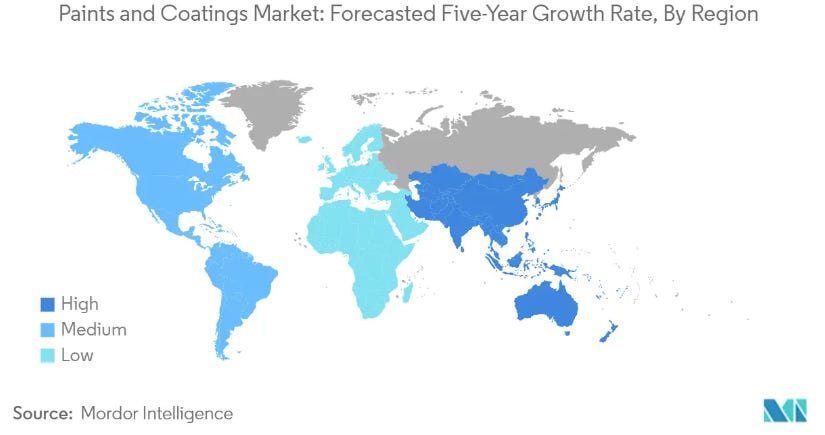
Asia: The Big Boss of Paints: Leading the charge in this colorful quest is Asia-Pacific, clutching a hefty 45% market share in 2022. And the best part? They’re not stopping there!
Thanks to the ever-blooming populations and urbanization in China and India, the region's share is expected to skyrocket. The CAGR in Asia from 2021 to 2026? Roughly 6%, making it rain (but with paint, of course).
Architectural paints are the superheroes here, adding flair and protection to everything from homes to government buildings.
Coatings: The Technological Marvels: In the realm of research and development, the coatings industry is a beehive of activity. With a smorgasbord of surfaces out there needing TLC, innovation is at an all-time high. From nanocoatings to hydrophilic (water-loving) and hydrophobic (water-hating) coatings, to the mighty antimicrobial coatings, the industry is like the Swiss Army knife of surface solutions.
Key Global Trends
Increasing demand for eco-friendly and sustainable paints: There is a rising need for low-VOC and water-based coatings due to growing environmental awareness and stringent regulations56.
Growing focus on architectural coatings in emerging markets: Rapid urbanization and industrialization, especially in countries like India and China, are fueling the demand for paints and coatings in construction applications12.
Advancements in technology: AI and machine learning are being utilized to develop innovative coatings with enhanced properties like adhesion, wear resistance, and corrosion resistance1.
Consolidation among major players: Established brands are stepping up their game, with new players entering the market
2. Introduction to India’s Paint Industry
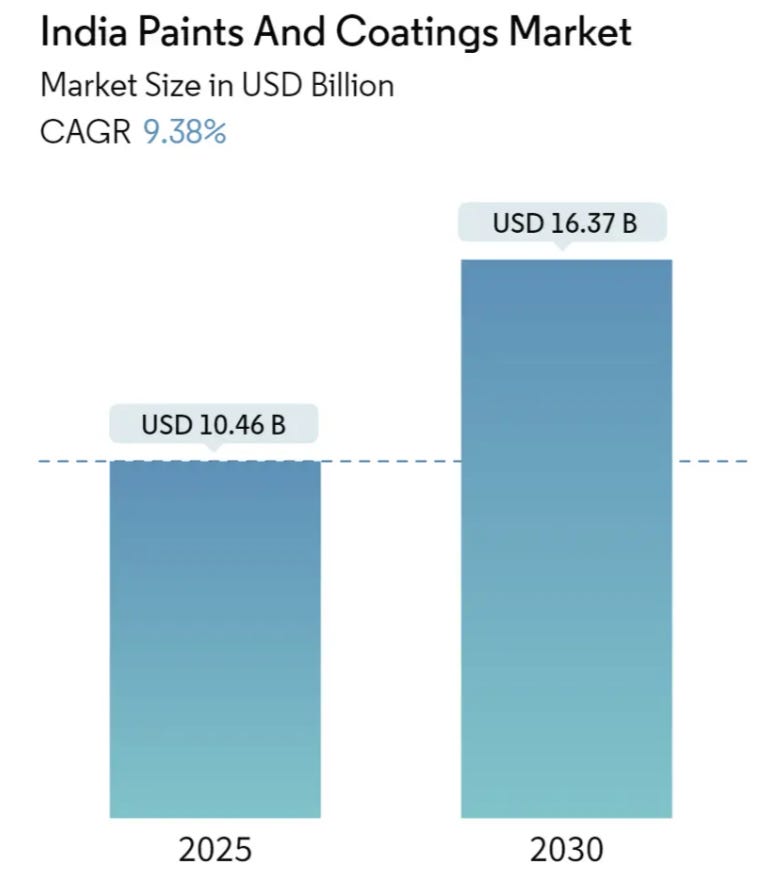
The Indian paint industry is one of the fastest-growing sectors in the country, driven by rising demand from the construction, real estate, automotive, and industrial sectors. As of 2025, the industry is estimated to be worth ₹918.5 billion and is expected to grow to ₹1,436.8 billion by 2030, registering a CAGR of 9.38%. India is now the fifth-largest paint market globally and the second-largest in Asia, after China.
The industry is broadly classified into two segments:
1. Decorative Paints – Used for interior and exterior walls, wood finishes, and protective coatings in residential and commercial buildings.
2. Industrial Paints – Includes automotive coatings, protective coatings, powder coatings, and marine paints, primarily catering to automobiles, heavy machinery, and infrastructure projects.
The decorative paints segment dominates the market, with increasing consumer preference for premium emulsions, waterproof coatings, and texture finishes. Meanwhile, the industrial segment is gaining traction due to the growth of manufacturing, infrastructure projects, and automotive production.
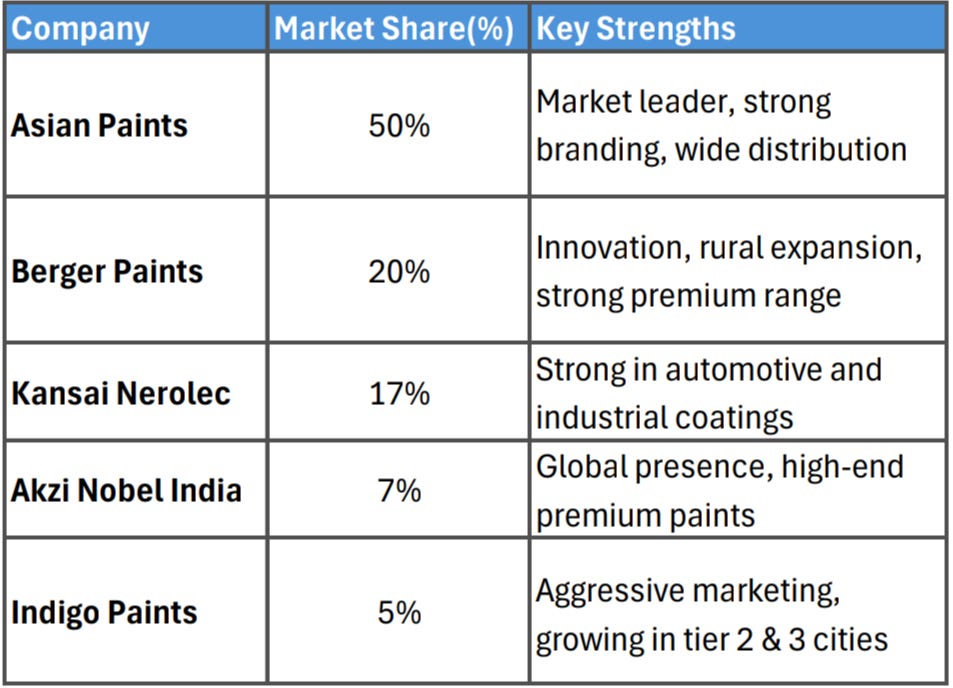
The Indian paint industry is highly consolidated, with Asian Paints, Berger Paints, Kansai Nerolac, Akzo Nobel (Dulux), and Indigo Paints leading the market.
These companies are investing heavily in technology, R&D, and eco-friendly innovations to meet evolving consumer demands. With the government’s focus on housing, infrastructure, and sustainable manufacturing, the industry is poised for robust expansion, making it a key contributor to India’s economic growth.
(Source - Mordor Intelligence)
3. Segmentation of the Indian Paint Industry
The Indian paints industry is divided into two major segments: Decorative Paints and Industrial Paints. Each segment has unique characteristics, demand drivers, and market dynamics.
Paint and Coatings bifurcation
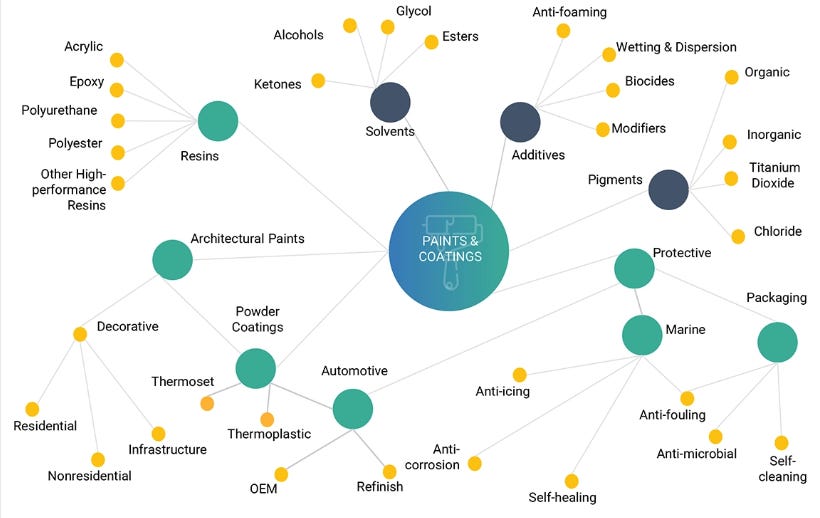
3.1. Decorative Paints (70% Market Share)
The decorative paints segment is the largest contributor to the industry, accounting for nearly 70% of the total market share. This segment primarily includes paints used for interior and exterior walls in residential, commercial, and institutional buildings. Decorative paints are preferred due to their aesthetic appeal, protective qualities, and increasing consumer interest in home beautification.
Key Growth Factors Driving Decorative Paints
Increasing consumer spending on home décor – Rising disposable incomes and a growing middle class have led to greater interest in premium, textured, and designer wall finishes.
Rapid urbanization & housing projects – With urbanization expected to reach 600 million people by 2030, demand for residential and commercial real estate is increasing, driving the need for high-quality paints.
Shift towards luxury & premium paints – Consumers are increasingly opting for odor-free, anti-microbial, washable, and waterproof paints, enhancing both hygiene and longevity.
Government-led infrastructure initiatives – Large-scale projects like Smart Cities Mission, Housing for All, and real estate developments are fueling demand for durable and eco-friendly decorative coatings.
Festive and seasonal repainting cycles – In India, festivals and wedding seasons often drive demand for home repainting, reducing the repainting cycle from 7-8 years to 4-5 years.
Major Categories Within Decorative Paints
1. Interior Wall Paints – Includes emulsions and distempers, offering matte, satin, or glossy finishes. Premium emulsions are gaining popularity for their durability, stain resistance, and washability.
2. Exterior Wall Paints – Includes weather-resistant coatings that protect buildings from rain, humidity, and UV damage. These paints often come with anti-fungal and anti-algal properties to withstand extreme climates.
3. Wood & Metal Finishes – Includes varnishes, enamels, and stains, used for furniture, doors, windows, and decorative metal fixtures. The demand for water-based wood coatings is increasing as consumers shift towards eco-friendly solutions.
4. Waterproofing Solutions – Rising awareness about damp-proofing, leak prevention, and wall protection has led to strong demand for advanced waterproof coatings.
Competitive Landscape in Decorative Paints
The decorative paints market is highly consolidated, dominated by players like Asian Paints (40% market share), Berger Paints, Kansai Nerolac, Akzo Nobel (Dulux), and Indigo Paints. Companies are expanding dealer networks, launching innovative products, and providing painting services to capture market share.
3.2. Industrial Paints (30% Market Share)
The industrial paints segment constitutes 30% of the Indian paints market, catering to industries like automotive, construction, marine, aviation, and heavy machinery. Industrial coatings are crucial for enhancing durability, corrosion resistance, and heat resistance in equipment and infrastructure.
Key Growth Factors Driving Industrial Paints
Expansion of India's manufacturing sector – With initiatives like Make in India, India is becoming a global manufacturing hub, increasing demand for industrial coatings in machinery, equipment, and factory infrastructure.
Growth in the automotive industry – India is set to become the third-largest automobile market by 2030, leading to a surge in demand for automotive coatings, including primers, base coats, and clear coats.
Infrastructure development – Bridges, highways, metros, airports, and power plants require protective coatings to prevent corrosion, rusting, and weather damage.
Rise of the electric vehicle (EV) sector – The EV industry, growing at 36% CAGR, is creating demand for specialized coatings for batteries, heat-resistant parts, and eco-friendly finishes.
Environmental regulations & sustainable coatings – Industrial paint manufacturers are investing in low-VOC, water-based, and powder coatings to meet environmental standards and sustainability goals.
Major Categories Within Industrial Paints
1. Automotive Coatings – Used for cars, bikes, and commercial vehicles, including base coats, clear coats, and electrocoatings that provide scratch resistance and weather protection.
2. Protective Coatings – Applied to bridges, highways, railway tracks, airports, and industrial plants to prevent corrosion, chemical exposure, and extreme weather damage.
3. Powder Coatings – Used in electrical appliances, furniture, and metal products, offering a durable, eco-friendly, and solvent-free alternative to traditional paints.
4. Wood Coatings – Applied to furniture, doors, flooring, and decorative wooden elements, with high-gloss and matte finish options for both aesthetics and longevity.
TYPES OF COATINGS:
4. Decorative Coatings

Decorative coatings (also known as decorative paints) account for the largest share of the Indian paint industry, covering both interior and exterior applications in residential, commercial, and institutional buildings. These coatings are primarily used to enhance aesthetics, protect surfaces from weather damage, and improve durability.
Key Characteristics of Architectural Coatings
Aesthetic appeal – Available in a wide range of colors, finishes (matte, satin, gloss), and textures to suit consumer preferences.
Durability – Designed to resist stains, UV radiation, moisture, and fungal growth for long-lasting protection.
Eco-friendly options – Low-VOC (volatile organic compounds), water-based paints, and odor-free formulations are gaining popularity.
Specialized functionalities – Anti-microbial paints for hospitals, heat-reflective paints for energy efficiency, and washable paints for interior walls.
Types of Architectural Coatings
Interior Wall Paints – Includes emulsions and distempers, with options like washable, stain-resistant, and anti-fungal paints.
Exterior Wall Paints – Weather-resistant paints with UV protection, anti-algal, and water-repellent properties.
Wood and Metal Finishes – Includes varnishes, enamels, and lacquers for furniture, doors, and window frames.
Waterproofing Solutions – Coatings designed to prevent seepage and protect walls from dampness and moisture.
5. Automotive Coatings
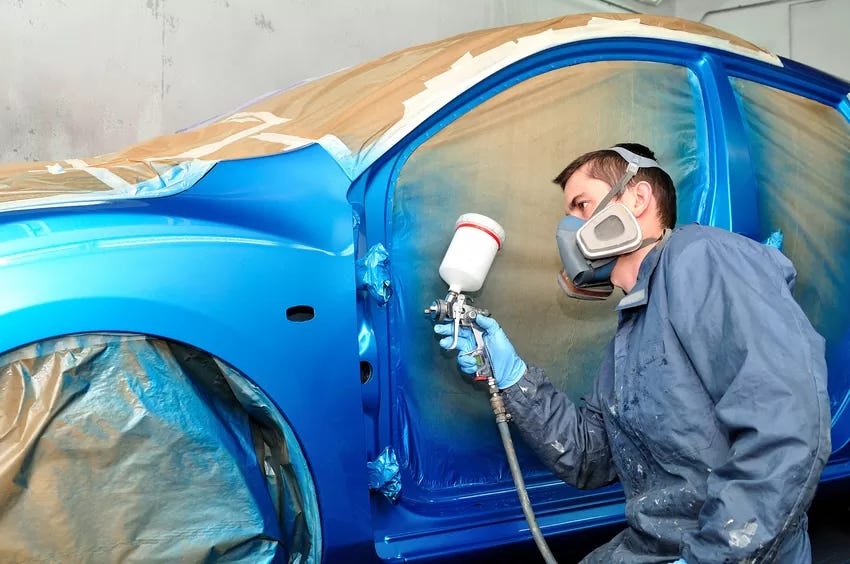
Automotive coatings play a crucial role in protecting vehicles from corrosion, UV exposure, chemicals, and extreme temperatures. These coatings are applied to both passenger and commercial vehicles during manufacturing, maintenance, and refinishing processes.
Key Characteristics of Automotive Coatings
Weather & corrosion resistance – Protects against rain, humidity, UV rays, and road salt.
Scratch & impact resistance – Ensures durability against minor abrasions and environmental wear.
Gloss & aesthetic enhancement – Provides high-gloss and matte finishes for better visual appeal.
Eco-friendly coatings – Water-based and low-VOC paints are replacing traditional solvent-based paints.
Types of Automotive Coatings
Primer Coats – The base layer that enhances paint adhesion and prevents rusting.
Base Coats – The colored layer, available in metallic, solid, or pearlescent finishes.
Clear Coats – A protective layer that provides UV protection and gloss enhancement.
Electrocoating (E-Coat) – Used in automobile manufacturing for anti-corrosion protection.
6. Industrial Coatings
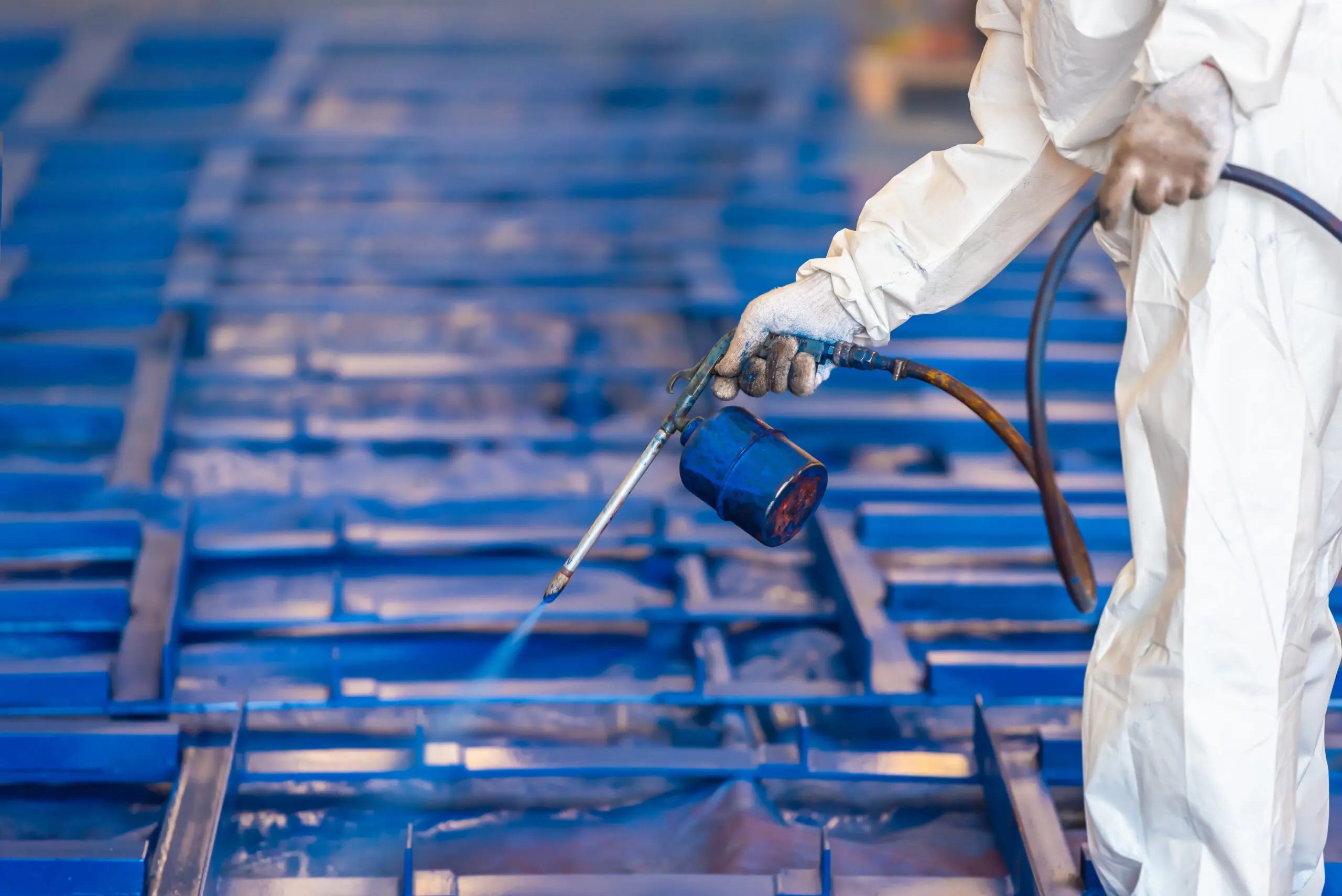
Industrial coatings are used to protect machinery, infrastructure, and industrial equipment from wear, corrosion, and harsh environments. These coatings are essential for heavy industries, power plants, and manufacturing facilities.
Key Characteristics of Industrial Coatings
Chemical & heat resistance – Protects surfaces exposed to high temperatures and chemicals.
Abrasion & impact resistance – Ensures durability in machinery and industrial tools.
Corrosion protection – Prevents rusting in metal structures and pipelines.
Types of Industrial Coatings
1. Powder Coatings – Used in appliances, machinery, and furniture due to their durability and eco-friendly nature.
2. Epoxy Coatings – Provides high-strength, chemical-resistant finishes for factory floors and pipelines.
3. Heat-Resistant Coatings – Used in boilers, ovens, and furnaces to withstand extreme temperatures.
4. Metal Coatings – Applied to machinery, industrial tools, and bridges to prevent corrosion.
7. Marine Coatings
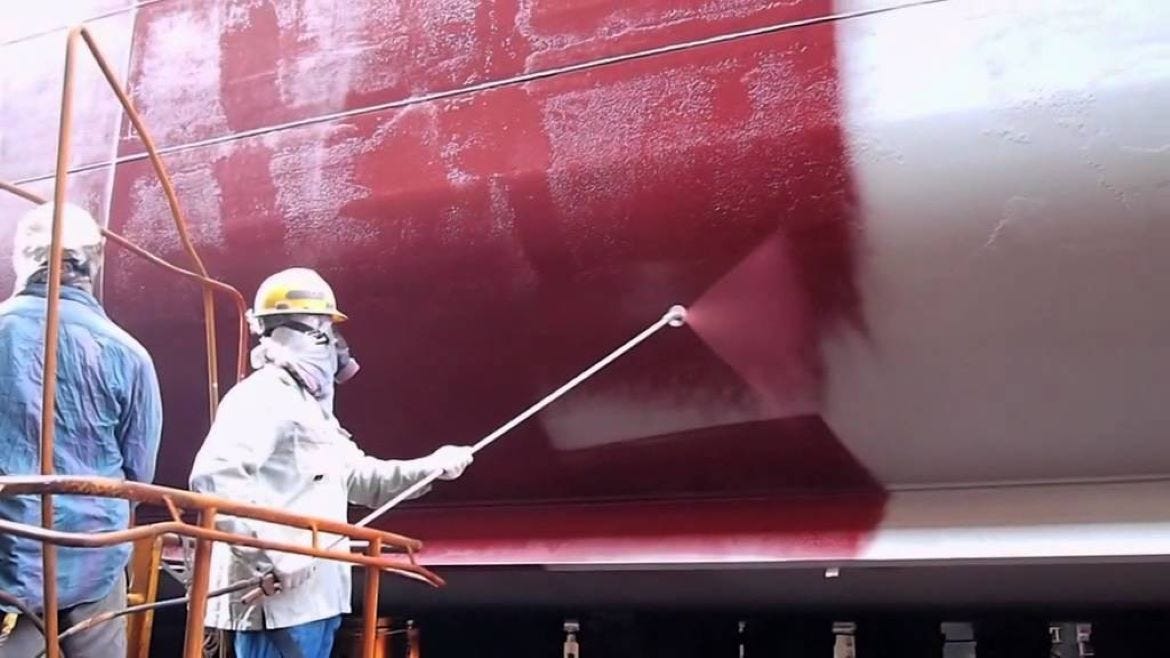
Marine coatings are used to protect ships, boats, and offshore structures from the harsh marine environment, including saltwater corrosion, UV exposure, and biofouling.
Key Characteristics of Marine Coatings
Corrosion resistance – Protects ship hulls from saltwater and chemical exposure.
Anti-fouling properties – Prevents algae, barnacles, and marine organisms from attaching to the hull.
UV & chemical resistance – Shields surfaces from harsh weather and marine pollutants.
Types of Marine Coatings
1. Anti-Corrosion Coatings – Used to prevent rust and degradation in ship structures.
2. Anti-Fouling Coatings – Applied to ship hulls to reduce drag and improve fuel efficiency.
3. Deck Coatings – Provides a non-slip, wear-resistant surface for safety.
4. Ballast Tank Coatings – Protects internal tank surfaces from corrosion and chemical damage.
Key Players in Marine Coatings
Major marine coating manufacturers include Jotun, Akzo Nobel, Sherwin-Williams, and Kansai Nerolac, focusing on durability, environmental compliance, and performance efficiency.
8. Protective Coatings
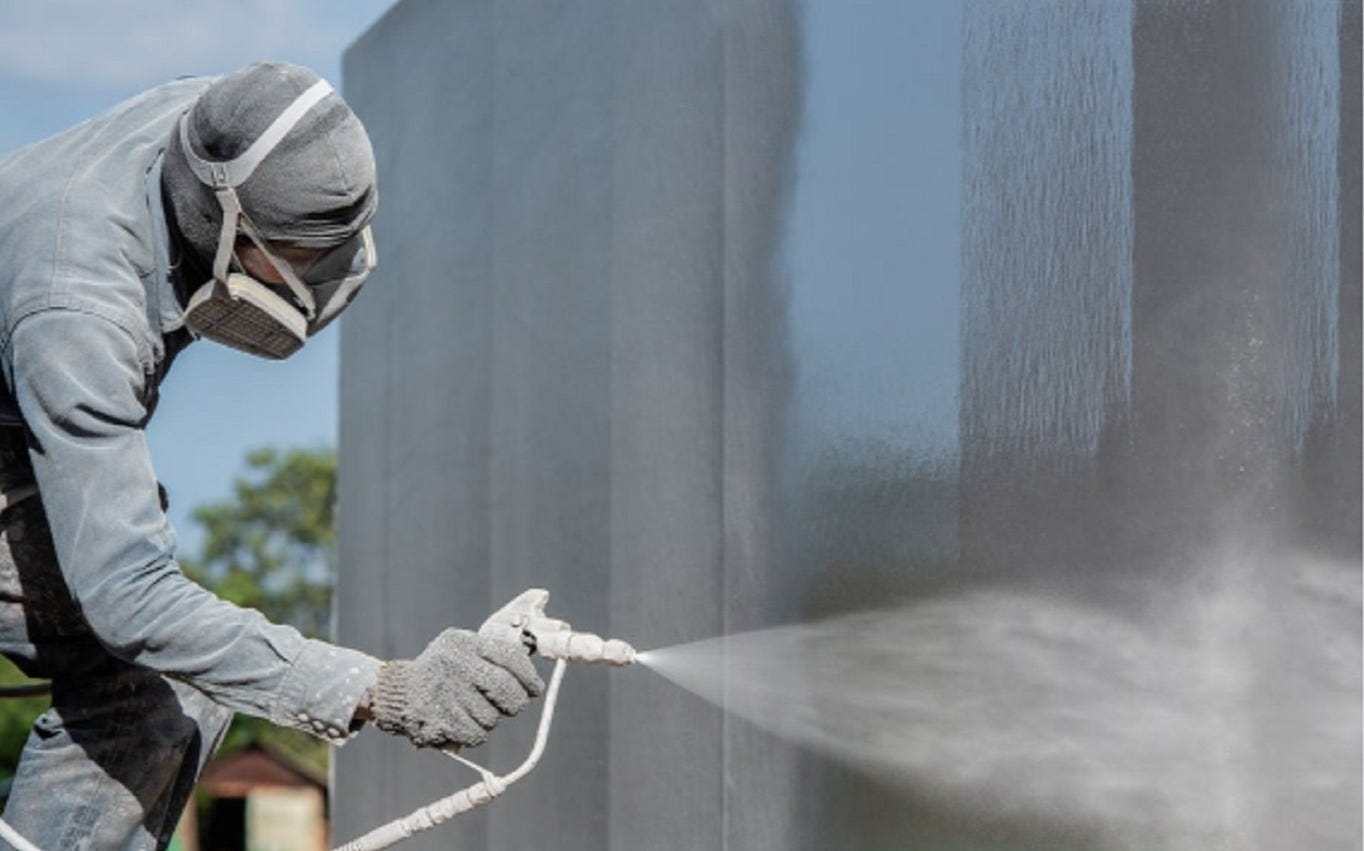
Protective coatings are engineered to extend the life of structures, machinery, and equipment by shielding them from corrosion, wear, and extreme weather conditions. These coatings are widely used in oil & gas, infrastructure, mining, and power plants.
Key Characteristics of Protective Coatings
High durability & corrosion resistance – Prevents metal degradation in factories and bridges.
Fire & heat resistance – Essential for oil refineries and chemical plants.
Weatherproof & waterproof – Used in exposed infrastructure and pipelines.
Types of Protective Coatings
1. Epoxy Coatings – Used in industrial floors, pipelines, and storage tanks.
2. Polyurethane Coatings – Offers abrasion resistance for outdoor structures.
3. Zinc-Rich Coatings – Provides cathodic protection for steel structures.
4. Fire-Resistant Coatings – Used in buildings, oil rigs, and chemical industries.
9. Key Players Willing to Paint India!
Asian Paints
Asian Paints is the largest paint company in India, holding over 50% of the domestic market share. They are renowned for their decorative paints, but they also have a growing presence in the automotive and industrial coatings segments. Their product range includes interior and exterior wall paints, wood finishes, metal paints, and waterproofing solutions. Asian Paints is known for its innovative products and strong distribution network.
Berger Paints
Berger Paints is the second-largest paint manufacturer in India, with approximately 18% of the market share in 2023. Approximately 85% of their revenue comes from decorative paints, with the remainder from the industrial segment. They offer a wide range of products, including interior and exterior wall paints, wood finishes, and waterproofing solutions. Berger Paints has a strong presence in India and also operates in Nepal, Poland, Russia, and Pakistan.
Kansai Nerolac Paints
Kansai Nerolac Paints is the third-largest paint manufacturer in India, holding a significant share of 15% in the market in 2023. They are known for their industrial coatings and have a significant share in the automotive paints market. Kansai Nerolac offers a variety of products, including interior and exterior wall paints, wood finishes, and industrial coatings. They are a subsidiary of Kansai Paint Co., Ltd., Japan.
Akzo Nobel India
Akzo Nobel is a global coatings firm known for brands like Dulux. In India, they hold about 7% of the market share in 2023. Akzo Nobel India offers a wide range of decorative and industrial coatings, including paints, primers, sealants, and adhesives. They are known for their high-quality products and innovative solutions.
Indigo Paints

Indigo Paints is another significant player in the Indian paint industry. While their market share isn't as prominent as the top three, they offer a diverse range of decorative paints, including interior and exterior wall paints, wood finishes, and specialty paints. Indigo Paints is known for its vibrant color palette and innovative product offerings.
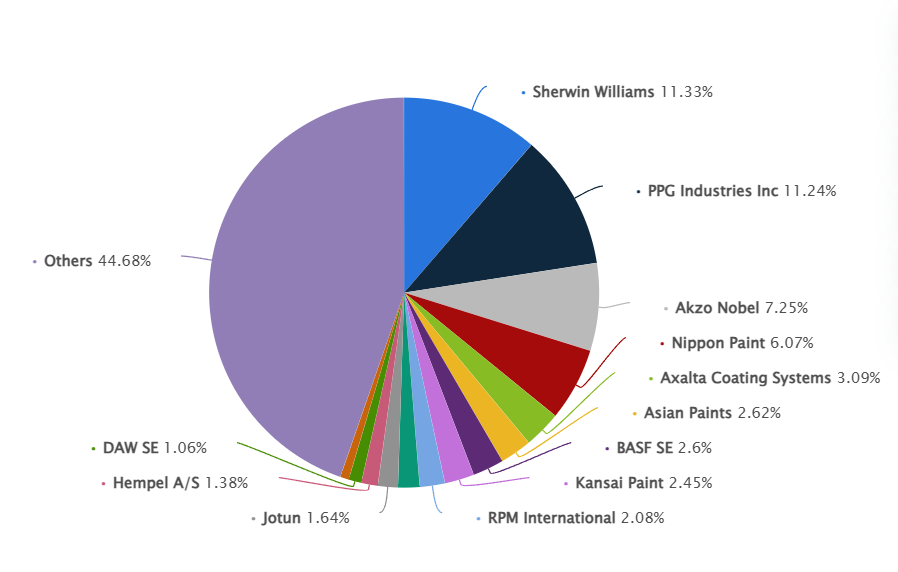
10. Market Share of Key Players in India
11. Emerging Trends in the Indian Paint Market
Growing Demand for Architectural Coatings: Rapid urbanization and infrastructure development are creating substantial demand for architectural coatings in both commercial and residential sectors.
Increasing Focus on Eco-Friendly and Sustainable Coatings: There's a growing preference for water-borne coatings due to their low VOC emissions and reduced toxicity compared to traditional solvent-based alternatives. Major players are investing in water-borne technology.
Technological Advancements in Industrial Paints: High-performance coatings that offer superior protection against corrosion, chemicals, and extreme weather conditions are evolving. The adoption of smart coatings that can self-heal and provide long-term durability is also on the rise.
Growth in Rural Markets: Rural India is emerging as a significant market for the paint industry, driven by increasing rural incomes and improved infrastructure.
Digitalization and E-commerce: Paint companies are leveraging digital technologies to meet increasing demand and enhance customer experience1.
Shift from Traditional Whitewash to High-Quality Paints: There is a shift in consumer preferences from traditional whitewash to high-quality paints like emulsions and enamel paints.
Use of AI and Machine Learning: AI is being utilized to predict color demand and optimize the supply chain, while machine learning is being applied to enhance paint formulations and accelerate the development process.
Local Manufacturing and Supply Chain Optimization: Manufacturers are focusing on vertical integration and establishing local manufacturing facilities to reduce dependence on imports and maintain price competitiveness.
Customization: There is a growing trend of offering customized solutions to meet the specific needs of customers
12. Growth Drivers

Urbanization and Rising Disposable Incomes: Increasing urbanization and rising disposable incomes are key drivers for the growth of architectural paints. As more people migrate to urban areas, their living standards improve, leading to increased demand for paints for new constructions and renovations3.
Government Initiatives: Government initiatives such as the Pradhan Mantri Awas Yojana and Smart Cities Mission boost housing demand and infrastructure development, thereby driving the demand for paints. The "Make in India" campaign also encourages domestic manufacturing and reduces dependency on imports.
Infrastructure Development: Extensive infrastructure development activities, including the construction of airports, metro systems, and smart cities, increase the demand for industrial and protective coatings.
Growth in the Real Estate and Construction Sectors: The booming real estate and construction sectors in India serve as pivotal drivers for the paint market.
Technological Advancements: Technological advancements, such as high-performance coatings and smart coatings, offer superior protection and long-term durability, increasing demand from industries like automotive, marine, and construction.
Demand for Premium and Functional Paints: There is an increasing demand for premium, functional paints with features like odor resistance and durability.
E-commerce: The increasing internet penetration and e-commerce growth provide consumers with convenient access and a wider range of paint products, further fueling market growth.
Rural Market Growth: Increasing rural incomes, improved infrastructure, and greater accessibility through e-commerce have made quality paints more accessible to rural consumers.
13. Projected Paint Industry Capacities for India in the Next Decade
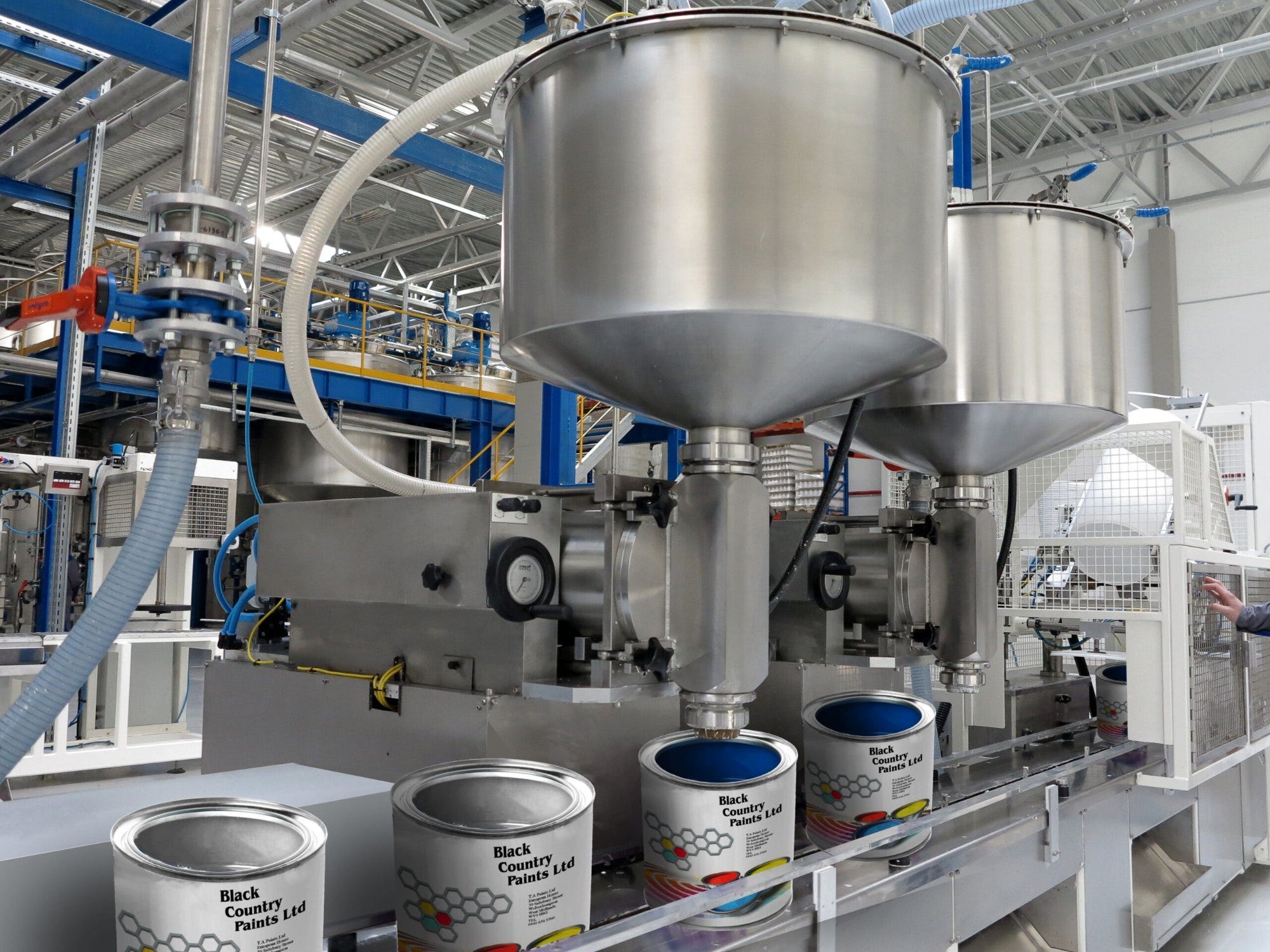
The organized paints sector in India is projected to double its production capacity to 7.8 billion litres per annum by 2027. The Indian Paint Association forecasts the industry will be worth INR 1,000 billion ( $12.34 billion) within five years. Also, the Indian paints industry is expected to reach ₹1.3 trillion by 2025
14. Conclusion & Future Outlook
Way Foreward
Focus on Sustainable and Eco-Friendly Coatings: Transitioning to water-based coatings and products with lower VOC emissions is crucial, aligning with increasing environmental awareness and regulations.
Emphasize Technological Innovation: Investing in R&D to develop advanced coatings with enhanced properties like durability, chemical resistance, and self-cleaning capabilities can provide a competitive edge. This includes exploring nanotechnology and smart coating solutions.
Expand Distribution Networks: Strengthening distribution networks, especially in rural areas, will enable companies to tap into the growing demand in these markets.
Leverage Digitalization and E-commerce: Utilizing digital technologies and e-commerce platforms can enhance customer reach, improve supply chain efficiency, and provide personalized customer experiences.
Optimize Supply Chain and Local Manufacturing: Focusing on vertical integration and establishing local manufacturing facilities reduces dependence on imports and ensures cost competitiveness.
Address Margin Pressures: Managing rising raw material costs and competitive pricing pressures requires efficient cost management and a focus on value-added products.
Address the Shift in Preferences: There is a shift from traditional whitewash to high-quality paints like emulsions and enamel paints, which provides basic stability for the growth of the Indian paint industry.
Capacity Expansions: The Indian paint industry is expected to add 2.5 million kilolitres of capacity over the next three years. Grasim’s Birla Opus is expected to add approximately 31% capacity to the industry by FY25.
Thank you for reading till the end! We hope you enjoyed this report.
Researched By- Naresh, Mayank and Vaibhav
All information is sourced from the company's annual reports, GoIndiastocks.in, Screener. in, Industry Reports and Economy Outlook Reports, IBEF, IEA.org etc.
If you like the hard work we put in, you can invest in us:
For our Non-Indian audience: You can donate to us through PayPal. Click here.
For our Indian audience, UPI QRs are given below:

Good information but provide analysis based on old data. There are 2 new competitors added in Indian paint industry JSW Paints & Birla Opus. Nothing was mentioned about them. Market share, intense competition, future M&A etc. need to be updated with recent trends and data.
Very detailed report but not really insightful.
Inclusion of market growth projections, existing capabilities of the leading companies in capturing niche markets, revenue impacts, problem areas (very necessary), government policy and exposure to global winds etc could have made this report way more valuable.
No harm in expecting more from you guys.